Import trade and export trade risk guide for payments, delivery and documents
a[data-rs-seo-link]{text-decoration:underline!important;color:#1a56db!important;cursor:pointer!important;}a[data-rs-seo-link]{text-decoration:underline!important;color:#1a56db!important;cursor:pointer!important;}
Why payment design now matters in cross-border trade
Import trade and export trade put the same transaction under different pressure. The importer needs goods that match the order, usable shipping evidence and a clean customs path. The exporter needs full and timely payment, with documents that support the claim for payment if anything is challenged. Payment terms should therefore not be selected in isolation. They should be checked against buyer credit, country risk, Incoterms, transport mode and document control before the purchase order is confirmed.
In 2026, that discipline matters because global trade remains large, but less predictable. WTO data released on March 19, 2026 showed world merchandise trade volume grew 4.6% in 2025 but was projected to slow to 1.9% in 2026 as front-loaded imports and AI-related goods demand normalized. Slower growth can expose weak credit decisions, especially where long payment terms, complex logistics or difficult customs lanes are involved. For more coverage of payment exposure, see the Trade Risk and Payment section.
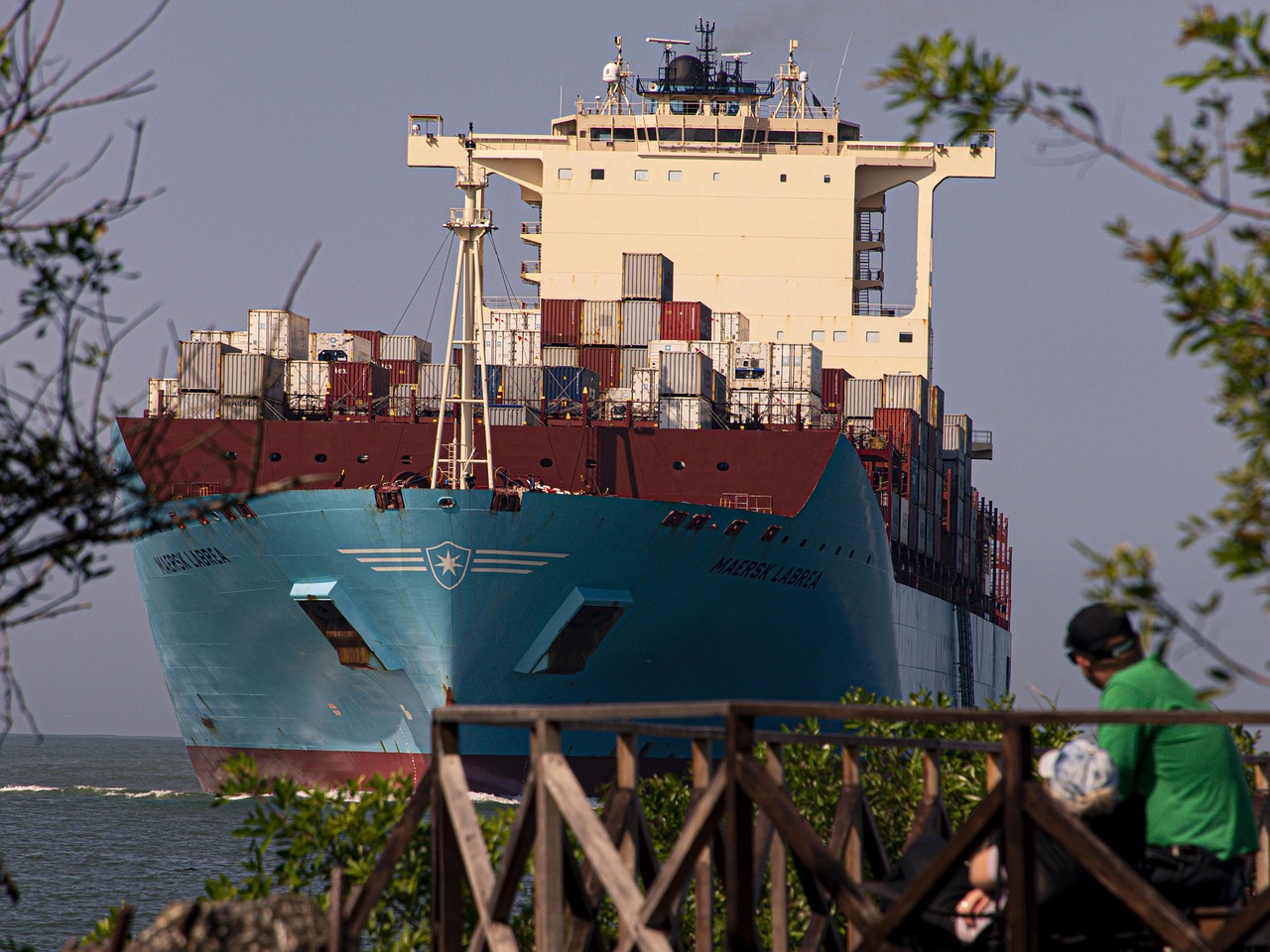
Import trade and export trade create different risk priorities
An importer usually focuses on delivery risk, quality risk, customs clearance, landed cost and whether the supplier can ship exactly what was ordered. An exporter usually focuses on credit risk, foreign exchange exposure, sanctions screening, document discrepancies and whether the buyer can delay or avoid payment after shipment. These risks overlap, but they do not carry the same weight for both sides.
If an importer pays 100% before shipment, the seller’s payment risk falls sharply, but the importer carries more exposure to late delivery, short shipment or non-conforming goods. If an exporter grants open account terms, the offer may help win a competitive order, but the exporter is financing the buyer until the due date and remains exposed to non-payment. The practical goal is not to force all risk onto the other party. It is to make the risk allocation visible, documented and priced.
Public trade data supports a cautious approach. WTO statistics released in 2026 recorded goods and commercial services trade at roughly US$34.89 trillion in 2025 on a balance-of-payments basis, confirming that cross-border business remains substantial. At the same time, the WTO forecast for 2026 pointed to slower merchandise volume growth, which can put pressure on buyers, suppliers and logistics providers. That does not make trade unattractive; it makes credit discipline and contract clarity more important.
Choose payment terms by relationship, leverage and document control
Trade.gov’s Trade Finance Guide describes the main international payment methods as a risk spectrum: cash in advance, letters of credit, documentary collections, open account and consignment. The right choice depends on bargaining power, order value, buyer history, market stability, product resale value and whether transport documents can control release of the goods.
Cash in advance
Cash in advance is usually the most favorable method for the exporter because funds are received before production or shipment. It is most reasonable for small orders, custom goods, unstable markets or new buyers with limited credit history. For importers, it creates performance risk. That exposure can be reduced through supplier due diligence, staged payments, inspection rights, clear specifications and evidence of shipment before the final balance is released.
Letter of credit
A letter of credit can reduce non-payment risk because a bank undertakes to pay when the exporter presents documents that comply with the credit. The limitation is important: banks examine documents, not the physical quality of the goods. ICC’s UCP 600, implemented in 2007 and still used as the current core rule set for documentary credits, makes documentary precision essential. Small mismatches in names, dates, ports, amounts or transport details can delay payment or lead to discrepancy fees.
Documentary collection
Documentary collection is often cheaper and simpler than a letter of credit, but it is not a bank payment guarantee. Banks transmit documents and follow release instructions; the buyer’s willingness and ability to pay remain central. This method is usually more suitable where the parties have an established relationship, the political and currency environment is stable, and the goods move by ocean transport with documents that can control possession.
Open account and consignment
Open account terms are attractive to importers because payment is made after shipment or after a defined credit period. For exporters, the risk can be managed with credit insurance, standby letters of credit, factoring, shorter payment periods, credit limits and stronger late-payment remedies. Consignment goes further: the exporter is paid only after the foreign distributor sells the goods. It should be reserved for highly trusted partners, transparent inventory reporting and products with predictable resale demand.
Match Incoterms with the payment method instead of treating them separately
Incoterms are not payment terms, and they do not by themselves transfer ownership of goods. ICC’s Incoterms 2020 rules allocate responsibilities for delivery, transport, costs and risk between seller and buyer. The named place is critical because it identifies where delivery occurs, where risk transfers, or where the seller’s transport obligation ends. A contract that says only FOB, CIF or DAP without a precise place and rule version leaves room for disputes.
The strongest contracts connect Incoterms with payment logic. If an exporter sells on open account under DDP, the seller may carry transport cost, import clearance obligations, duties and buyer credit exposure at the same time. That may be justified for a strategic customer, but it should be priced and insured. If an importer pays cash in advance under EXW, the buyer may take on collection, export procedures and transport risk early in the transaction. That can work for a buyer with strong logistics control, but it is risky for a buyer without local operating capacity.
Mode of transport also matters. FOB, CFR and CIF are designed for sea and inland waterway transport, while FCA, CPT and CIP can suit containerized and multimodal shipments more naturally. For container cargo delivered to a terminal before loading on a vessel, FCA may reflect the real handover point better than FOB. Payment documents should follow the same structure: the transport document, insurance document, invoice and packing list need to align with the agreed delivery point. See also: Customs and Compliance.
Use documents as risk controls, not afterthoughts
In import trade and export trade, documents often determine whether goods clear customs, whether a bank pays, and whether a dispute can be resolved quickly. The invoice, packing list, certificate of origin, bill of lading or air waybill, insurance certificate, inspection certificate and any license or conformity document should be agreed before shipment. Waiting until cargo is on the water to define documents is a common cause of delay.
Document control should start with the purchase order. Product descriptions should match customs classifications and commercial reality. Quantities, weights and shipping marks should be consistent across documents. If a letter of credit is used, the exporter should review the draft credit before shipment and request amendments early. If documentary collection is used, release instructions should clearly state whether documents are released against payment or against acceptance of a time draft.
Customs and logistics performance also affect payment risk. The World Bank’s Logistics Performance Index evaluates economies across customs, infrastructure, international shipments, logistics services, tracking and tracing, and timeliness. OECD Trade Facilitation Indicators published in 2025 highlighted that reducing border bottlenecks and red tape remains important for lowering trade costs. These references do not predict an individual shipment, but they explain why a low price on a difficult lane can still produce higher total risk.
A practical risk matrix for common trade scenarios
| Scenario | Main importer concern | Main exporter concern | Practical payment approach |
|---|---|---|---|
| First order with a new overseas supplier | Supplier performance and product conformity | Limited buyer history | Small trial order, staged payment, pre-shipment inspection and balance against shipment evidence |
| Repeat buyer in a stable market | Competitive payment terms | Late payment and credit concentration | Open account with credit limit, shorter tenor, credit insurance or standby letter of credit |
| High-value shipment to a new buyer | Cash flow impact of advance payment | Non-payment after dispatch | Confirmed or carefully drafted letter of credit with documents reviewed before shipment |
| Ocean shipment with established partner | Access to documents and cargo timing | Buyer refusal or delayed payment | Documentary collection only when cargo control and resale options are realistic |
| Seller-managed delivery to buyer destination | Landed cost certainty | Transport, customs and tax exposure | DAP or DDP only after checking import rules, tax registration, insurance and payment security |
This matrix is a screening tool, not a substitute for legal, tax or banking advice. If a scenario combines several red flags, such as a new counterparty, customized goods, unstable currency, complex licensing and open account terms, the contract should move toward stronger security or a smaller initial exposure.
Pre-shipment checks that reduce payment disputes
- Verify the counterparty. Confirm legal name, registration details, bank account ownership, address, beneficial ownership where required, and whether the party appears on applicable sanctions or restricted-party lists.
- Define the product precisely. Include specifications, tolerances, packaging, labeling, inspection standards and remedies for non-conformity.
- State the Incoterms rule correctly. Use the exact rule, named place or port, and version, such as Incoterms 2020.
- Align payment triggers with documents. Decide whether payment depends on order confirmation, inspection, shipment, document presentation, arrival or resale.
- Control amendments. Require written approval for changes in quantity, shipment date, routing, beneficiary bank, consignee or document wording.
- Plan for delay. Address demurrage, storage, customs holds, force majeure, partial shipments and late document presentation.
- Protect currency exposure. Identify invoice currency, payment deadline, bank charges, exchange-rate adjustment mechanisms and hedging responsibility.
Frequently asked questions
What is the main difference between import trade and export trade risk?
Import risk usually centers on receiving the right goods at the right landed cost and clearing customs without disruption. Export risk usually centers on getting paid, presenting accurate documents and complying with destination-market restrictions. The same contract should address both sides because a delivery problem often becomes a payment problem.
Is a letter of credit always safer than open account?
Not always. A letter of credit can reduce non-payment risk when documents comply, but it adds cost and administrative complexity. Open account may be acceptable for a reliable buyer with credit insurance, a standby letter of credit, a short tenor or a strong payment history. The better method depends on the full risk profile.
Do Incoterms decide when payment is due?
No. Incoterms define delivery, cost and risk allocation. Payment timing must be stated separately in the sales contract, purchase order, invoice terms or letter of credit. Confusing delivery transfer with payment obligation is a frequent source of disputes.
When should exporters avoid documentary collection?
Exporters should be cautious when the buyer is new, the destination market is unstable, the goods are customized, resale options are weak, or transport documents do not control cargo release effectively. Documentary collection is less protective than a letter of credit because banks do not guarantee payment.
What is the best first step before agreeing to payment terms?
Start with counterparty due diligence and transaction mapping. Identify who controls the goods at each stage, which documents are needed, when risk transfers, when cash changes hands and what happens if customs, logistics or payment fails. Payment terms should then reflect that map.