South African exports and imports in 2026 and the payment risks traders should watch
a[data-rs-seo-link]{text-decoration:underline!important;color:#1a56db!important;cursor:pointer!important;}a[data-rs-seo-link]{text-decoration:underline!important;color:#1a56db!important;cursor:pointer!important;}
What the latest trade numbers show
South African exports and imports in 2026 are still being shaped by mineral demand, fuel import costs, vehicle trade, regional African demand and rand volatility. The latest South African Revenue Service release available at the time of writing, published on 30 September 2026 for August 2026, reported a preliminary merchandise trade surplus of R20.5 billion. Exports were R181.8 billion and imports were R161.3 billion, including trade with Botswana, Eswatini, Lesotho and Namibia.
For traders, the surplus is a useful signal, but it does not settle the commercial risk question. Payment terms, customs classification, rand movements, logistics delays and counterparty credit checks still determine whether a shipment is profitable and collectible.
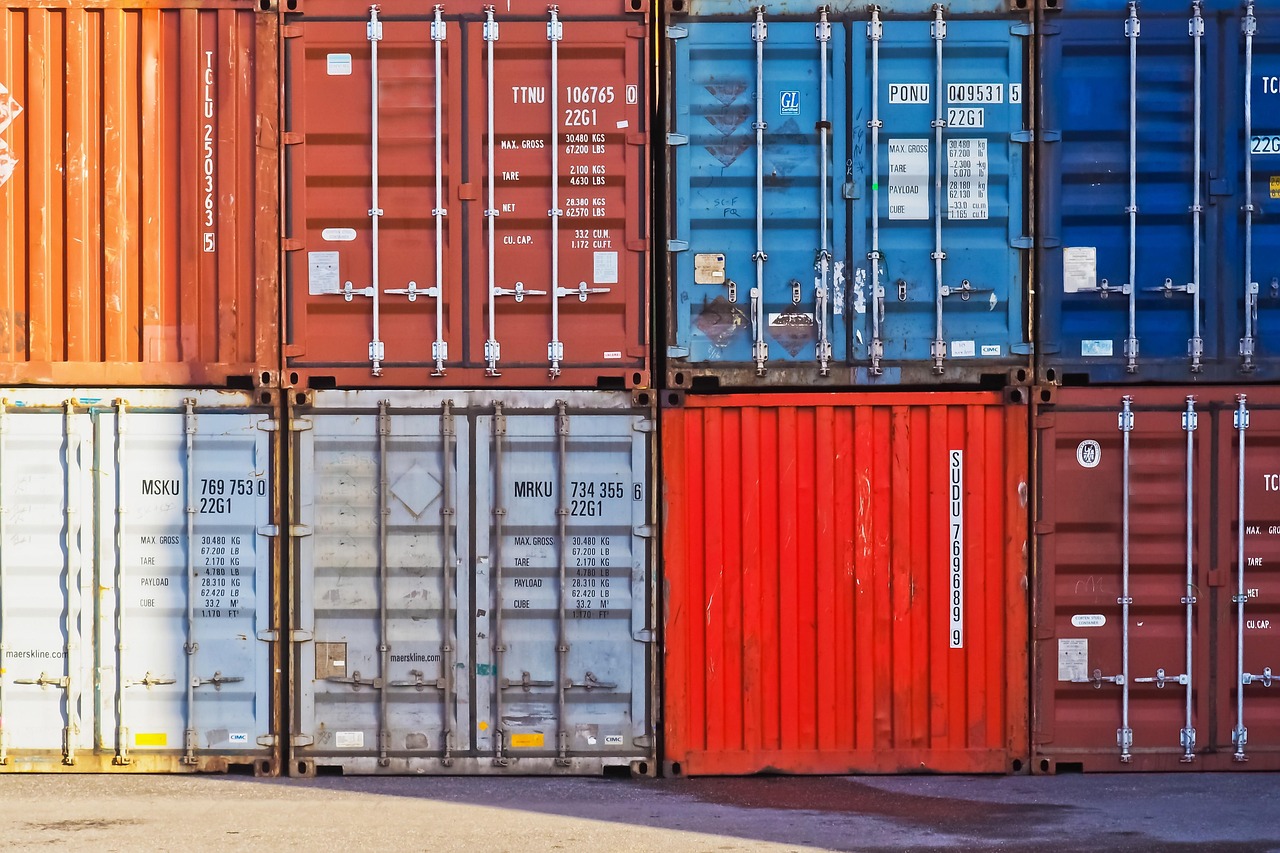
South Africa is not a single-product trade story. Minerals and precious metals remain central to exports, while petroleum, machinery, electronics, vehicles, pharmaceuticals and industrial inputs are major import categories. The country also functions as a regional gateway into Southern Africa, so trade flows may include goods consumed locally and goods moving onward into neighboring markets. That regional role makes documentation, tariff treatment and payment control especially important for cross-border traders.
Readers following trade exposure, customs compliance and settlement methods can find related topics in our trade risk and payment section.
Key data points for South Africa trade
The table below brings together the most relevant recent figures from SARS and the WTO member profile for South Africa. SARS data gives a high-frequency view of monthly merchandise flows in rand, while WTO data provides an annual U.S. dollar comparison based on UN Comtrade reporting.
| Indicator | Latest available figure | Source context |
|---|---|---|
| August 2026 exports | R181.8 billion | SARS preliminary merchandise trade statistics, including BELN trade |
| August 2026 imports | R161.3 billion | SARS preliminary merchandise trade statistics, including BELN trade |
| August 2026 trade balance | R20.5 billion surplus | SARS release dated 30 September 2026 |
| 2025 merchandise exports | US$122.45 billion | WTO profile using UN Comtrade data |
| 2025 merchandise imports | US$110.94 billion | WTO profile using UN Comtrade data |
| Simple average MFN applied tariff | 7.8% in 2026 | WTO tariff profile |
Monthly and annual numbers should be read differently. A single month can be affected by vessel timing, commodity price changes, seasonal agricultural shipments or delayed customs declarations. Annual figures are better for understanding the structure of trade. Monthly releases are more useful for monitoring cash-flow pressure, stock cycles and short-term currency exposure.
What South Africa exports
South Africa’s export base is strongest in minerals, precious metals, automotive products, agricultural goods and selected manufactured products. WTO data for 2025 lists semi-manufactured non-monetary gold as the largest HS-level export item, followed by iron ores and concentrates, chromium ores and concentrates, bituminous coal, and diesel-powered goods vehicles. Platinum and palladium products also remain important, reflecting the country’s role in global platinum-group metals supply.
The mineral exposure matters because it links export revenue to global industrial cycles. Demand from China, Europe, Japan, India and the United States can shift with steel production, vehicle manufacturing, electronics demand, energy markets and investment appetite for precious metals. According to the U.S. Geological Survey’s 2024 mineral review, South Africa was a leading global producer of chromium, manganese and platinum, and mineral-related products accounted for a large share of export value. That concentration creates opportunity when prices are strong, but it also makes export earnings sensitive to price corrections and transport bottlenecks.
Automotive exports carry a different risk profile. Vehicles and components depend on factory production schedules, model cycles, shipping availability and trade preferences in destination markets. Agricultural exports, including citrus, grapes and other horticultural products, are more seasonal and more exposed to cold-chain reliability, phytosanitary requirements and port performance. For exporters, those differences should influence payment terms. A bulk mineral cargo, a perishable fruit shipment and a vehicle component order do not carry the same documentation, inspection or delay risk.
What South Africa imports
South Africa’s import basket shows its reliance on energy products, industrial inputs, capital equipment, consumer electronics and transport goods. WTO data for 2025 identifies light petroleum oils and preparations as the largest import item, followed by crude petroleum, passenger cars, smartphones, medicines and data-processing equipment categories. SARS commentary on monthly movements in 2026 also pointed to petroleum oils, original equipment components and automatic data-processing machines as important drivers of import changes.
Energy imports are especially important for payment planning because oil and refined fuel prices are volatile and are usually priced in foreign currency. A buyer that agrees to open-account terms without hedging may find that a favorable landed-cost estimate becomes unprofitable if the rand weakens before settlement. Industrial importers face another timing risk: if machinery, electronic components or vehicle parts are delayed at port or in customs, supplier payment deadlines may fall due before the goods generate revenue.
Imports also create customs valuation and classification exposure. Duty, VAT and rebate eligibility depend on the tariff heading, origin documentation and customs value. Where a product is subject to import controls, standards checks or anti-dumping measures, the cost of a wrong assumption can exceed the transaction margin. Importers should therefore treat customs planning as a payment risk issue, not just an administrative task.
Trade partners and regional exposure
SARS reported that in August 2026 South Africa’s top export destinations were China, Germany, the United States, Japan and Zimbabwe. The top import origins were China, India, Germany, the United States and Thailand. The WTO’s 2025 partner data shows a similar pattern at annual level, with the European Union, China, the United States, Japan, the United Kingdom, Mozambique, India, Namibia and Botswana all appearing prominently in export destinations or import origins.
This partner mix is commercially important. China is both a major buyer of South African minerals and a major supplier of manufactured goods. Germany and the broader European Union are important for vehicles, machinery and industrial goods. The United States remains relevant for minerals, vehicles and selected agricultural products, although tariff and preference changes can affect competitiveness. Southern African partners matter because South Africa is closely integrated into regional supply chains through the Southern African Customs Union and neighboring markets.
Risk teams should review partner concentration at product level, not only at country level. If a company exports manganese ore to one destination, imports components from another and settles freight in U.S. dollars, its real exposure is spread across commodity prices, foreign exchange, logistics and buyer credit. A country-level trade surplus does not remove transaction-level risk.
Payment risks behind the trade balance
The most common mistake in reading trade data is assuming that a national surplus means low commercial risk. In practice, an exporter can operate in a surplus sector and still face late payment, document discrepancies, bank delays or buyer insolvency. An importer can operate in a high-demand sector and still lose margin through currency moves, tariff adjustments or demurrage.
For South African exports, the first risk is commodity price volatility. Metals, coal and precious metals can move sharply between contract negotiation and shipment. Where possible, contracts should specify pricing dates, quality adjustments, inspection procedures and settlement currency. The second risk is logistics timing. Bulk exports depend on rail, port and terminal performance, while agricultural exporters depend on cold-chain continuity. Late shipment can trigger letter-of-credit discrepancies or buyer claims. See also: Customs and Compliance.
For South African imports, the first risk is foreign exchange exposure. Many imports are priced in U.S. dollars, euros, yuan or yen, while domestic resale may be in rand. Importers should test whether their margin can survive a realistic currency swing before agreeing to payment terms. The second risk is landed-cost uncertainty. Freight, insurance, duty, VAT, inspection fees, storage and demurrage can change the real cost of goods after the purchase order is signed.
Payment method should match the level of trust, shipment value and goods involved. Advance payment protects the seller but can be difficult for the buyer to accept. Open account supports sales growth but increases seller credit risk. Documentary collection offers more control than open account, but it does not guarantee payment. A letter of credit can reduce risk, but only if documents are prepared exactly as required and the cost is justified by the transaction value. Trade credit insurance may be useful where repeated shipments go to the same buyer or market.
Customs, tariff and documentation checks
South Africa’s tariff environment is not unusually opaque, but it requires discipline. The WTO profile lists a simple average MFN applied tariff of 7.8% in 2026, but the actual duty rate depends on the product’s classification and any applicable preferential arrangement, rebate, quota or trade remedy. Vehicles, automotive components, agricultural products and regulated industrial goods can face specific rules that materially affect landed cost.
Exporters should check whether the buyer requires a certificate of origin, inspection certificate, phytosanitary certificate, bill of lading wording, packing declaration or insurance certificate. Importers should check tariff headings before the goods ship, not after arrival. Customs disputes often start with avoidable inconsistencies between the commercial invoice, packing list, transport document and payment record.
A practical control process should include four steps. First, confirm the HS code and duty treatment with a qualified customs adviser or broker. Second, align the Incoterms rule with who controls freight, insurance and clearance. Third, make sure the payment instrument reflects the same shipment and documentation terms. Fourth, maintain a file with the invoice, proof of payment, transport documents, permits and correspondence in case customs or the bank requests evidence.
Practical guidance for traders in 2026
Traders should use South Africa’s trade data as an early-warning system, not as a standalone credit decision. Rising exports may signal stronger external demand, but they can also increase competition for port capacity. Falling imports may indicate weaker domestic demand, lower fuel prices or delayed purchasing. A wider trade surplus may support the rand in some periods, but currency direction also depends on interest rates, global risk appetite and domestic fiscal conditions.
A sensible 2026 checklist for South African trade exposure includes the following:
- Review whether the transaction is exposed mainly to commodity price, currency, logistics, customs or buyer-credit risk.
- Match payment terms to the buyer’s track record, market conditions and shipment value.
- Use letters of credit or documentary collections where documentation control is more important than sales speed.
- Test landed cost under different exchange-rate and freight-cost scenarios before confirming the final price.
- Confirm tariff classification, permits and origin documents before goods leave the supplier.
- Track SARS monthly releases, but compare them with annual WTO or UN Comtrade data before drawing long-term conclusions.
The core message is straightforward: South Africa’s trade position is supported by globally important exports, especially minerals, metals, vehicles and agricultural products, while imports remain tied to energy, machinery, electronics and consumer demand. The opportunity is real, but the safest traders are those that connect trade statistics with payment discipline, customs accuracy and realistic cash-flow planning.
Frequently asked questions
What are South Africa’s main exports?
South Africa’s main exports include gold, platinum-group metals, iron ore, chromium ore, coal, manganese, vehicles, agricultural products and selected manufactured goods. The exact ranking changes with commodity prices and shipment timing.
What are South Africa’s main imports?
Major imports include refined petroleum products, crude petroleum, machinery, electronics, vehicles, pharmaceuticals, data-processing equipment and industrial components. Fuel-related imports are especially important because they affect the trade balance and inflation pressure.
Why can South Africa have a trade surplus but companies still face payment risk?
A national trade surplus only compares total export and import values. It does not show whether an individual buyer will pay on time, whether documents will comply with bank requirements, or whether currency and logistics costs will erode a trader’s margin.
Which payment method is safest for exports to South Africa or from South Africa?
There is no single safest method for every shipment. Advance payment offers strong seller protection, letters of credit reduce bank and documentation risk when used correctly, and open account is suitable only where the buyer is well known and credit exposure is controlled.
How often should traders review South African trade data?
Companies with regular exposure should review SARS monthly releases for short-term movements and compare them with annual WTO, UN Comtrade or official national data for structural trends. Monthly numbers are useful, but they can be revised or distorted by timing effects.