Chinese import and export trade risks and payment terms in 2026
a[data-rs-seo-link]{text-decoration:underline!important;color:#1a56db!important;cursor:pointer!important;}a[data-rs-seo-link]{text-decoration:underline!important;color:#1a56db!important;cursor:pointer!important;}
Why Chinese import and export risk looks different in 2026
Chinese import and export trade remains large, active and highly competitive in 2026. Payment risk, however, is no longer limited to whether a buyer or supplier is trustworthy. It also depends on document accuracy, shipping terms, export controls, currency exposure, customs data and the buyer’s ability to release funds on time. Official Chinese customs data reported goods trade of 45.47 trillion yuan in 2025, including 26.99 trillion yuan in exports and 18.48 trillion yuan in imports. In the first half of 2026, customs data reported total goods trade of 25.47 trillion yuan, up 16.9% year on year. For companies trading with China, the practical point is straightforward: growth creates opportunity, but weak payment terms can turn a profitable order into a dispute.
This guide focuses on trade risk and payment decisions for importers, exporters, sourcing teams and finance managers. For related guidance, visit our Trade Risk and Payment section.
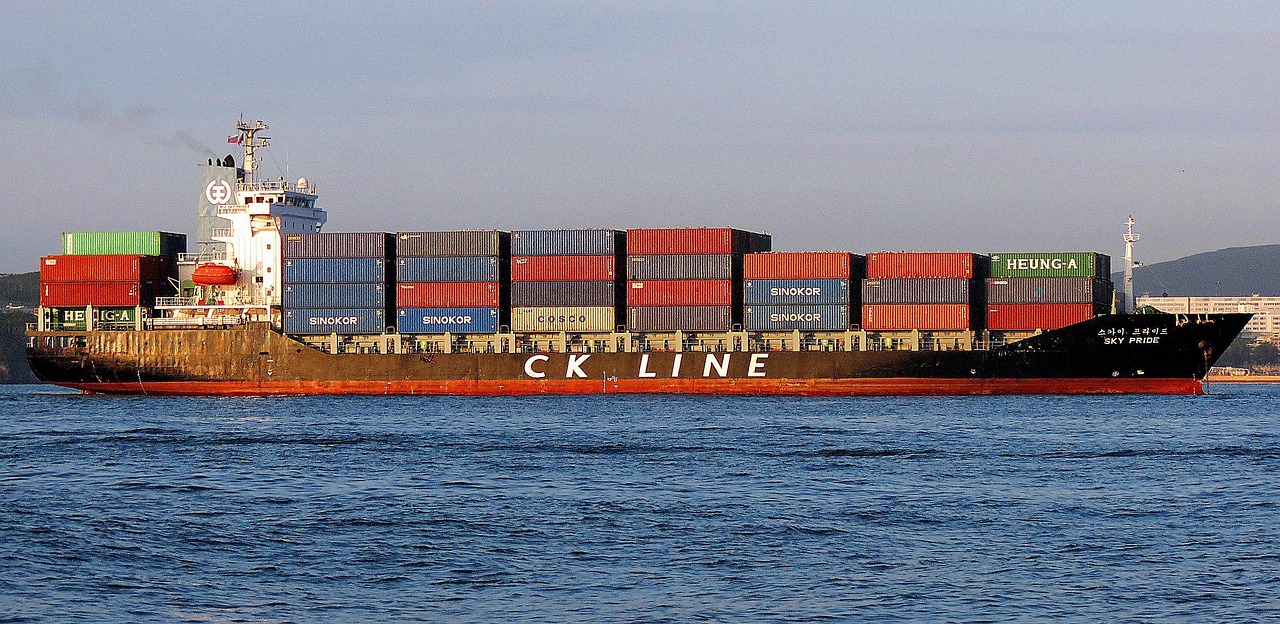
The scale of China’s trade means counterparties can range from large listed manufacturers to small trading companies, agents and newly formed exporters. The same product category may carry very different risk depending on who signs the contract, who receives payment, who issues the invoice and who controls the bill of lading. Payment terms should therefore be selected together with supplier verification, Incoterms, inspection rights and compliance checks, not after the order has already moved into production.
| Period | Official trade indicator | Payment risk implication |
|---|---|---|
| Full year 2025 | China’s goods import and export value reached 45.47 trillion yuan; exports rose 6.1% and imports rose 0.5%. | Export strength can increase supplier bargaining power, especially in tight product categories. |
| First half of 2026 | Total goods trade reached 25.47 trillion yuan, with exports up 13.4% and imports up 22.1% year on year. | Higher volume raises the importance of shipment scheduling, document control and bank processing time. |
| Ongoing 2026 trade environment | Public sources such as the WTO and national regulators continue to highlight trade policy, controls and geopolitical fragmentation as relevant factors. | Parties should screen buyers, end users, goods classification and payment channels before shipment. |
Payment risk starts before the invoice
Many Chinese import and export disputes begin before any money changes hands. The earliest issue is often identity risk: the company sending a quotation may not be the manufacturer, the bank account may not belong to the contracting party, or the export license holder may be different from the sales contact. These details matter because banks, customs brokers and courts usually rely on documents, not informal messages, when a dispute occurs.
Verify the contracting party
Before paying a deposit or accepting open account terms, confirm the legal name, registered address, business license, tax details and bank account beneficiary. The invoice issuer, contract seller and bank account holder should be aligned, or the reason for any difference should be documented. When a trading company is involved, the buyer should understand whether the trader is acting as principal seller or agent. If the trader is the principal, it must be able to take responsibility for quality, delivery and document accuracy.
Use a proforma invoice as a control document
A proforma invoice should not be treated as a casual quotation. It should match the purchase contract on product description, quantity, unit price, currency, payment schedule, Incoterms rule, latest shipment date, port, packaging, inspection requirement and required documents. If the proforma invoice says one thing and the purchase contract says another, the bank, freight forwarder or customs broker may follow the wrong instruction. That can delay cargo release or trigger a payment dispute.
Separate commercial trust from bankability
A long relationship can reduce some uncertainty, but it does not replace documentary discipline. A supplier may be reliable yet still submit an invoice with an incorrect HS code, a bill of lading with the wrong consignee, or a packing list that does not match the commercial invoice. A buyer may be reputable yet face internal approval delays, foreign exchange restrictions or credit limit problems. Payment terms should therefore be built around verifiable milestones, not only relationship history.
Choosing payment terms for Chinese trade
No single payment method is automatically safe for every Chinese import and export transaction. The right structure depends on order value, product customization, market demand, counterparty strength, document complexity and the ability of either side to tolerate delays. A small repeat order of standard goods may justify a simple telegraphic transfer structure. A high-value custom order may need inspection, staged payment or a documentary credit.
| Payment method | Typical use | Main buyer risk | Main seller risk |
|---|---|---|---|
| Advance payment or deposit plus balance | Common for manufacturing orders, especially with new buyers or customized goods. | Supplier may delay, ship nonconforming goods or resist refund after receiving funds. | Buyer may cancel after production if deposit is too small to cover costs. |
| Open account | Used between established parties where the buyer pays after shipment or receipt. | Lower immediate payment risk, but cargo or document problems may still arise. | High non-payment or late-payment risk unless credit insurance or strong controls exist. |
| Letter of credit | Useful for higher-value or document-sensitive transactions. | Payment may be made against compliant documents even if goods later disappoint. | Discrepant documents can delay or prevent payment. |
| Documentary collection | Often used where parties want bank handling of documents without full LC cost. | Goods may arrive before issues are resolved, depending on document flow. | Banks handle documents but generally do not guarantee payment. |
| Escrow or platform payment | Often used for smaller online or platform-mediated orders. | Coverage depends on platform rules, evidence standards and claim deadlines. | Funds may be frozen during disputes. |
For many first-time transactions, a staged structure is more balanced than full prepayment. For example, a contract might require a deposit after signing, a second payment after pre-shipment inspection, and a final payment against scanned shipping documents or before release of the original bill of lading. The exact structure should reflect bargaining power and legal advice, but the principle is consistent: payment should follow evidence of performance.
Letters of credit reduce payment risk but do not remove trade risk
A letter of credit can be useful in Chinese import and export transactions because it moves part of the payment decision from commercial trust to documentary compliance. Under ICC UCP 600 rules, a credit applies when the text of the credit expressly states that it is subject to those rules. Banks examine documents, not the physical goods. UCP 600 also provides a framework for what counts as a complying presentation and gives banks a defined period to examine documents.
This structure creates both protection and limits. The exporter benefits because a complying presentation can create a bank payment obligation. The importer benefits because payment is linked to required documents such as the commercial invoice, transport document, packing list, certificate of origin or inspection certificate. But an LC is not a substitute for product inspection, supplier due diligence or a clear sales contract. If the LC requires the wrong documents, uses vague descriptions or fails to match the contract, it can become expensive paperwork rather than real protection.
Common LC mistakes include setting an unrealistic shipment deadline, requiring documents that local authorities do not issue, using product descriptions that differ from the invoice, or failing to specify whether partial shipments and transshipment are allowed. The buyer and seller should review the draft LC before issuance, not after goods are ready. Any amendment can cost time and bank fees, and late amendments can miss the shipment window.
Incoterms and document control can decide who gets paid
Incoterms are not payment terms, but they strongly affect payment risk. The ICC Incoterms 2020 rules define responsibilities for delivery, costs and risk transfer in contracts for the sale of goods. If the contract uses an Incoterms rule without clearly naming the place or port, the parties may later disagree over when risk moved from seller to buyer and who should pay for storage, insurance, delay or customs handling.
For containerized exports from China, buyers often request FOB, while sellers may quote EXW, FOB, CIF or DAP depending on commercial practice. The key is not to choose a familiar abbreviation blindly. FOB is designed around delivery on board the vessel and is widely used in sea freight, but it can create practical issues when containers are handed to a carrier at an inland terminal before loading. FCA may offer clearer control in some container transactions because delivery can be tied to the carrier handover point. CIF and CIP include seller-arranged insurance, but the buyer should still check the level of cover, insured value and claims process. See also: Customs and Compliance.
Document control is equally important. A buyer who pays the balance before seeing shipping documents may lose leverage if the goods are misdescribed. A seller who releases original bills of lading before receiving cleared funds may lose control of the cargo. When sea freight is used, the contract should state whether original bills of lading, telex release or sea waybill will be used. That choice affects who can take delivery and when payment should be made.
Compliance risks that can stop cargo or funds
Compliance risk in Chinese import and export trade is broader than customs clearance. It includes product classification, export licensing, origin marking, sanctions screening, end-use review, forced labor controls, tax documentation, safety standards and banking compliance. A bank can delay payment if the transaction triggers screening questions. Customs can hold cargo if documents conflict. A buyer can face penalties if the declared HS code, value or country of origin is not supportable.
Export controls deserve special attention when goods include electronics, semiconductors, telecommunications items, aerospace components, encryption functions, advanced manufacturing equipment or dual-use technology. United States and European rules can apply not only to direct exports from those jurisdictions but also to certain reexports, transfers and items containing controlled technology. Public BIS materials in 2026 continued to show that China-related end-use and end-user controls remain relevant for sensitive items. Businesses should not assume that a Chinese supplier’s willingness to ship means the transaction is automatically lawful in the buyer’s jurisdiction.
For importers, product standards are another payment risk. If goods fail destination-market requirements after arrival, the buyer may still have paid under the contract or LC. Testing and certification should therefore be addressed before production. For exporters, sanctions and anti-money-laundering checks should be completed before accepting payment from unfamiliar parties, especially where funds come from a third country or a different company name.
A practical payment workflow for importers and exporters
A disciplined workflow reduces the chance that payment, cargo and documents move out of sequence. The aim is not to make every order complicated. It is to match controls to the order’s value and risk.
For importers buying from China
- Verify the supplier’s legal identity, bank beneficiary and role as manufacturer, trader or agent.
- Match the purchase contract, proforma invoice and payment beneficiary before any deposit is paid.
- Use product specifications that can be inspected objectively, including model numbers, tolerances, packaging and labeling.
- Agree on Incoterms 2020 wording with a named place or port, not only an abbreviation.
- Link milestone payments to inspection, shipment evidence or document release.
- Review customs classification, origin, duties, import permits and destination-market standards before shipment.
- Keep written records of amendments, delays, concessions and quality approvals.
For exporters selling to China or through Chinese buyers
- Screen the buyer, consignee, end user and payment sender, especially if they are different entities.
- Set credit limits and avoid open account terms until payment history is proven.
- Confirm whether payment will be in USD, EUR, RMB or another currency and who bears bank charges.
- State when title, risk and payment obligations arise, using contract language that does not conflict with the Incoterms rule.
- Prepare documents early and compare them against the contract and payment instrument before shipment.
- Do not release negotiable transport documents before the agreed payment condition is satisfied.
- Plan for dispute handling, including governing law, jurisdiction or arbitration terms.
Frequently asked questions
What is the safest payment method for Chinese import and export orders?
There is no universally safest method. Full advance payment protects the seller but increases buyer risk. Open account helps the buyer but increases seller risk. A letter of credit can balance risk in larger transactions, but only if the LC terms are accurate and documents can be produced exactly as required. Many companies use staged payments combined with inspection and document control.
Should importers pay Chinese suppliers before shipment?
Paying a deposit before production is common, especially for customized goods, but paying the full amount before inspection or shipment can reduce leverage. Importers should consider supplier history, order value, product complexity and available remedies before agreeing to full prepayment. For new suppliers, a deposit plus balance against inspection or shipping documents is often more balanced.
Do Incoterms decide when payment is due?
No. Incoterms mainly allocate delivery obligations, costs and risk transfer. Payment timing must be stated separately in the sales contract, proforma invoice or LC. However, Incoterms affect payment risk because they determine who controls freight, insurance, export clearance and key documents at different stages.
Why do banks reject or delay trade payments?
Banks may delay or reject payments because of mismatched names, incomplete invoices, sanctions screening alerts, missing supporting documents, unusual routing, discrepancies under a letter of credit, or compliance questions about goods and end users. Clean, consistent documents reduce the chance of delay.
What should be checked before using open account terms?
Before using open account terms, sellers should review the buyer’s payment history, creditworthiness, jurisdiction, dispute options and ability to provide security such as credit insurance, a standby letter of credit or a parent guarantee. Open account terms are usually better suited to established relationships than first orders.
Bottom line
Chinese import and export trade in 2026 offers scale, supplier depth and strong demand, but payment safety depends on disciplined execution. The core controls are practical: verify the counterparty, align the contract and invoice, choose payment terms that match risk, use Incoterms 2020 precisely, keep transport documents under control and screen compliance issues before shipment. Companies that treat payment as part of the full trade process, rather than a final administrative step, are better positioned to avoid disputes and protect margins.