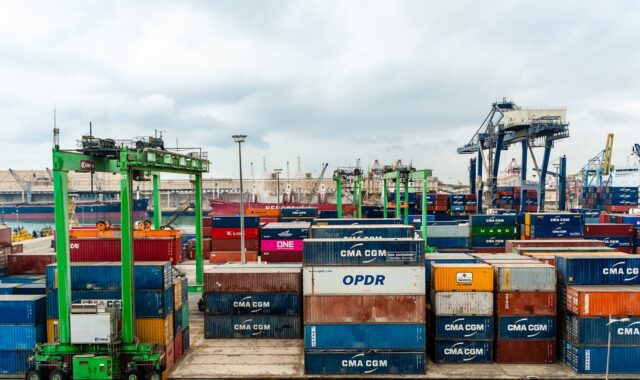
Import and export trade compliance guide for customs documents and controls
a[data-rs-seo-link]{text-decoration:underline!important;color:#1a56db!important;cursor:pointer!important;}a[data-rs-seo-link]{text-decoration:underline!important;color:#1a56db!important;cursor:pointer!important;}
Why compliance now shapes import and export trade
Import and export trade is the movement of goods across borders. In practice, the work now depends just as much on customs data, tariff classification, sanctions screening, origin evidence and export control decisions as it does on transport. In 2026, traders are operating in active markets while authorities continue to ask for earlier, cleaner and more detailed shipment information. The World Trade Organization reported stronger-than-expected merchandise trade growth in 2025 and, in its 19 March 2026 outlook, forecast slower but continued growth for 2026. Commercial opportunity remains, but weak controls can lead to delays, penalties, rejected filings or blocked transactions. This guide explains the controls companies should have in place before goods move and how customs teams can reduce avoidable friction. For more related articles, visit our Customs and Compliance section.
Compliance is not a single form completed at the border. It is a chain of decisions that starts with product design and supplier onboarding and continues through quotation, contracting, shipment, clearance and recordkeeping. A small tariff classification error can affect duty, trade remedies, licensing and statistical reporting. An unsupported country-of-origin claim can affect preferential duty treatment and expose the importer to post-entry audits. A missed restricted-party match can turn a routine sale into a sanctions or export control issue.
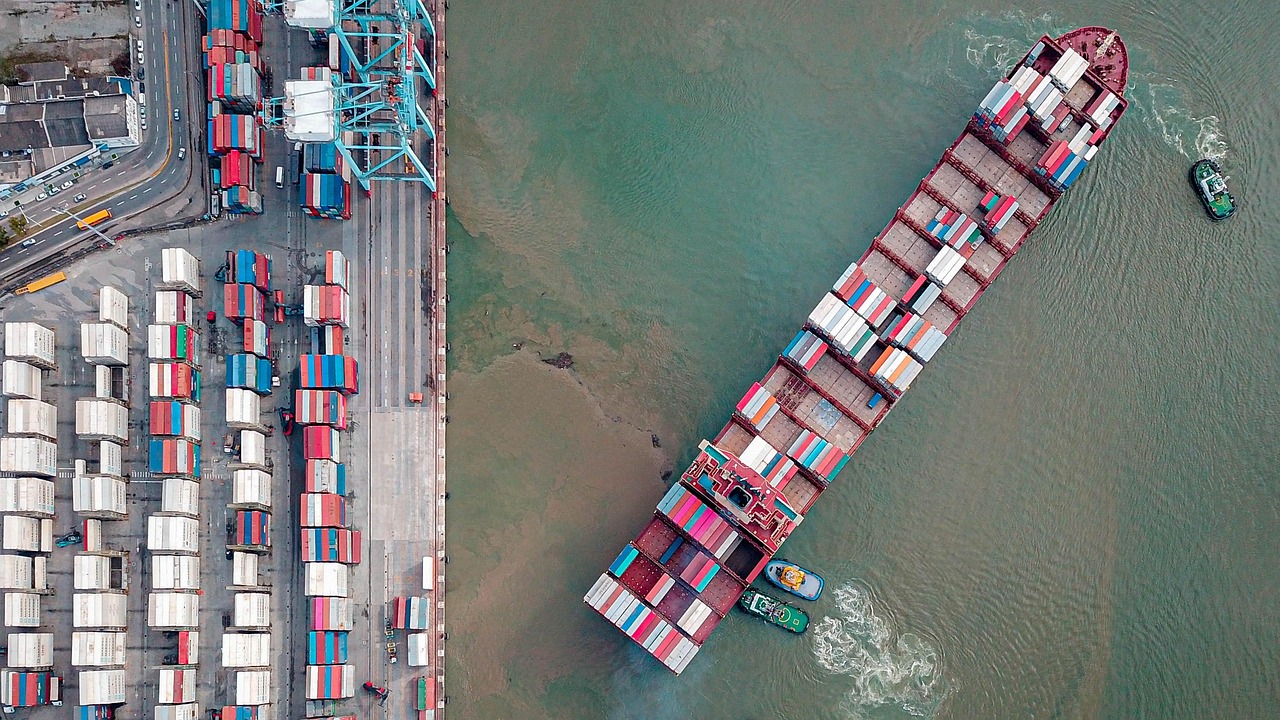
For that reason, importers and exporters should treat customs compliance as part of trade execution, not as paperwork after the sale. Strong programs connect sales, procurement, logistics, finance and legal teams around a shared transaction file. That file should show what the goods are, where they come from, who is involved, how they will be used, which rules apply and which party is responsible for each filing.
Build the transaction file before shipment
The first control in import and export trade is a complete transaction file. Customs authorities and export control agencies rarely look at a shipment in isolation. They review the documents, data and assumptions that explain the transaction. A clear file gives the broker, forwarder, importer of record and exporter enough information to file accurately and respond quickly if an authority asks questions.
At minimum, the file should include the commercial invoice, packing list, purchase order or sales contract, transport document, product description, Harmonized System classification, country-of-origin support, customs value support, Incoterms rule, license or permit records, screening results and communication with brokers or agents. For regulated products, it should also include the supporting documents required by the destination market, such as test reports, safety certificates, technical specifications, product composition, emission data or other product-specific records.
A frequent weakness is a vague product description. Customs data such as “parts,” “samples,” “accessories” or “electronic goods” usually does not provide enough detail to classify the item, assess admissibility or identify licensing obligations. A better description explains what the product is, what it is made of, what it does, how it is used and, where relevant, the model number or technical performance characteristics.
Inconsistent data between documents creates a second common problem. If the invoice names one seller, the packing list shows another manufacturer and the transport document lists a different consignee, the shipment may still be legitimate, but the parties should be able to explain the structure. Differences in quantity, weight, origin or value can also trigger holds, correction requests or audit questions, even when the goods themselves are compliant.
Classify goods and support origin claims
Tariff classification is the base of customs compliance. The Harmonized System provides a common international structure, but each country applies its own tariff schedule, duty rates, trade remedy measures and import restrictions. A classification decision should therefore be documented. It should not be guessed from a supplier invoice or copied from an old shipment without review.
Classification work should start with the product’s objective characteristics: material, function, components, principal use and technical specifications. For machinery, electronics, chemicals, textiles and composite products, the correct code may depend on details that are not visible on a standard commercial invoice. Where the uncertainty is material, companies should consider a binding ruling or formal advice from the relevant customs authority.
Origin is a separate question. A product’s country of export is not always its country of origin. Origin may depend on where the goods were wholly obtained, where substantial transformation occurred, or whether a product-specific rule under a trade agreement has been met. Preferential origin claims need evidence such as bills of materials, supplier declarations, production records and certificates where required. Non-preferential origin also matters because it can affect marking, trade remedies, sanctions exposure and import restrictions.
Customs value is the third pillar. Transaction value is often based on the price actually paid or payable, but assists, royalties, commissions, packing costs, transport charges and related-party pricing can complicate the calculation. Importers should be able to show why the declared value is complete and how any adjustments were handled.
Import controls that reduce clearance delays
Import compliance starts with identifying the importer of record and confirming that the importer has the legal and operational capacity to make accurate declarations. In the United States, CBP guidance emphasizes the importer’s responsibility to use reasonable care when entering goods. In the European Union, economic operators involved in customs operations need an EORI number for customs identification. Similar registration or tax identification requirements exist in many other markets.
Advance cargo data is now a central import control. For U.S. ocean imports, CBP’s Importer Security Filing, commonly called ISF or 10+2, generally requires importer data to be submitted no later than 24 hours before cargo is laden on a vessel bound for the United States. In the EU, the European Commission’s Import Control System 2 requires safety and security data through an Entry Summary Declaration for goods entering or transiting the EU customs territory. These systems show how customs risk management has moved upstream from arrival to pre-loading or pre-arrival data.
Importers should identify product-specific agency requirements before booking cargo. Food, medicines, medical devices, chemicals, vehicles, electronics, timber, steel, textiles, dual-use goods and consumer products may be subject to controls beyond ordinary customs entry. If a license, certificate or product registration is missing, a correct commercial invoice will not solve the clearance problem by itself.
Environmental and market-access rules are also becoming more visible at the border. The EU Carbon Border Adjustment Mechanism moved into its definitive regime on 1 January 2026 for covered goods, creating authorization, reporting and certificate obligations for affected importers. Not every shipment is within scope, but the rule reflects a wider trend: customs data is increasingly used to enforce climate, safety, security and ethical supply-chain policy, not only to collect duties.
Export controls before goods leave the country
Export compliance asks different questions from import compliance. Instead of focusing mainly on admissibility and duty, export controls consider what is being sent, where it is going, who will receive it and how it may be used. These questions apply not only to physical goods but also to software, technology, technical data, samples, repairs, demonstrations and some reexports. See also: Freight and Logistics.
For U.S.-origin or U.S.-controlled items, the Bureau of Industry and Security administers the Export Administration Regulations for dual-use and certain military-related items. A license analysis may require checking the Export Control Classification Number, destination, end user, end use and any license exceptions. Products that appear commercially ordinary can still require review if they have sensitive performance characteristics, encryption, aerospace uses, semiconductor relevance or military end-use concerns.
Export filing is also a data obligation. U.S. government guidance explains that Electronic Export Information filing through the Automated Export System is generally required when the value of a commodity classified under an individual Schedule B number exceeds $2,500, or when a mandatory filing requirement applies, such as an export license. Other jurisdictions have their own export declaration thresholds and timing rules, so exporters should map the requirement to the country of export rather than assuming one global standard.
Restricted-party screening should take place before accepting an order, before shipping and whenever key transaction details change. Screening should cover buyers, consignees, intermediaries, banks, freight forwarders, vessels where relevant, and beneficial ownership or control concerns. U.S. Treasury OFAC guidance, EU sanctions resources and national export control lists all point to the same principle: list screening is necessary, but it does not replace risk-based review of geography, ownership, end use and unusual transaction behavior.
A practical compliance workflow
A workable import and export trade workflow should be simple enough for commercial teams to use and strong enough to create evidence. The following model can be adapted by smaller traders, manufacturers, distributors and e-commerce operators.
| Stage | Key compliance question | Evidence to keep |
|---|---|---|
| Product setup | What is the product and how should it be classified? | Technical description, HS code analysis, ECCN or local export classification, product certificates |
| Supplier or customer onboarding | Who is involved and are they allowed parties? | Screening results, ownership checks, tax or customs registration details |
| Quotation and contract | Who pays duties, freight, insurance and clearance costs? | Incoterms rule, contract terms, responsibility matrix |
| Pre-shipment review | Are licenses, permits and advance filings required? | License determination, agency approvals, ISF or ENS data, broker instructions |
| Customs entry or export filing | Does the declaration match the documents and goods? | Entry summary, export declaration, invoice, packing list, transport document |
| Post-entry review | Were corrections, refunds or disclosures needed? | Audit notes, amendments, duty payments, correspondence and record retention log |
This workflow creates a control point before the shipment becomes urgent. It also makes responsibility visible. A freight forwarder can transmit data, and a customs broker can prepare entries, but the trader still needs to provide accurate instructions and retain business evidence. Outsourcing the filing does not outsource accountability.
Common failure points and how to address them
The most common compliance failures are not always dramatic. Many start as small process gaps that repeat across shipments. A supplier uses an old tariff code. Sales accepts an order before screening. Logistics books cargo before the import license is approved. Finance changes the invoice value after entry without telling customs. Engineering modifies a product, but no one reviews classification. Each error may appear isolated; together, they create audit exposure.
Companies can reduce these risks with five practical controls:
- Create a master data owner. Assign responsibility for HS codes, origin rules, export classifications and product descriptions instead of allowing every shipment team to decide independently.
- Use change triggers. Require review when materials, suppliers, manufacturing locations, destinations, customers, end uses or technical specifications change.
- Document license decisions. A no-license-required conclusion should be supported by analysis, not left as an unexplained field in a shipment record.
- Reconcile filings after clearance. Compare entries and export declarations against invoices, payments, transport documents and inventory movements.
- Train commercial teams. Sales and procurement staff should know when to escalate red flags, especially around unusual routing, vague end use, high-risk jurisdictions or reluctance to provide ownership information.
Technology can help, but it should not hide weak logic. Screening tools, classification databases and broker platforms are useful only when the underlying product data and party information are accurate. Compliance teams should test samples of transactions and verify that automated decisions match current rules and business reality.
Frequently asked questions
What is the difference between import compliance and export compliance?
Import compliance focuses on bringing goods into a market legally, including classification, valuation, origin, duties, admissibility and customs entry. Export compliance focuses on whether goods, software or technology may be sent to a destination, party or end use, and whether export filings or licenses are required.
Is a customs broker responsible for all import errors?
No. A broker can prepare and submit customs entries, but the importer usually remains responsible for providing accurate information and maintaining evidence. Importers should review broker instructions, classification decisions and entry summaries rather than treating filing as a black box.
When should restricted-party screening happen?
Screening should happen before order acceptance, before shipment and whenever transaction details change. For higher-risk trade lanes or products, screening should also include ownership, control, end-use and routing review, not only exact name matching.
Why do HS codes and export control classifications both matter?
HS codes support customs duty, statistics and many import measures. Export control classifications determine whether an item may require authorization before export, reexport or transfer. A product can have a routine tariff code but still raise export control concerns because of its technical capability or end use.
How often should trade compliance data be reviewed?
Critical data should be reviewed whenever the product, supplier, origin, destination, customer or regulation changes. Even without a known change, periodic sampling helps identify outdated classifications, unsupported origin claims and filing inconsistencies before they become repeated errors.