How logistics and forwarding support international trade in 2026

a[data-rs-seo-link]{text-decoration:underline!important;color:#1a56db!important;cursor:pointer!important;}a[data-rs-seo-link]{text-decoration:underline!important;color:#1a56db!important;cursor:pointer!important;}
Logistics and forwarding in practical terms
Logistics and forwarding turn an international sale into a controlled movement of goods. Logistics covers the wider supply chain design: inventory timing, transport modes, warehouse use, customs milestones, delivery performance and cost control. Freight forwarding is the operating layer that arranges carriers, documents, customs coordination, consolidation, insurance support and shipment visibility across borders.
In 2026, the value is no longer limited to booking a truck, aircraft or vessel. A workable forwarding plan needs to select the right route, prepare reliable shipment data, manage exceptions and reduce avoidable delays, storage charges and compliance gaps for both buyer and seller.
For companies involved in import and export trade, the main question is not simply whether goods can be shipped. The harder question is whether the shipment plan matches the commercial contract, the cargo risk, the delivery deadline and the regulatory requirements in each market.
What freight forwarders actually coordinate
The International Federation of Freight Forwarders Associations, widely known as FIATA, describes freight forwarding and logistics services as activities linked to carriage, consolidation, storage, handling, packing, distribution and related advisory work, including customs, insurance and documentation. That definition matters because a forwarder is not just a rate provider. A forwarder connects parties that often work with different systems, deadlines and levels of shipment information.
A typical shipment may involve an exporter, importer, factory, inland carrier, warehouse, customs broker, ocean carrier or airline, port terminal, inspection agency, insurer and final delivery provider. The forwarder’s role is to make those handoffs visible and time-sensitive. When coordination breaks down, the result may be a missed sailing, an incorrect customs declaration, a cargo hold, detention charges, delayed payment under a letter of credit or a service issue at destination.
In a well-managed forwarding process, the operational plan should answer five questions before cargo moves:
- Who is responsible for each cost and risk point under the agreed Incoterms rule?
- Which mode or route best balances price, transit time and reliability?
- What shipment data must be submitted before departure or arrival?
- Which documents control customs clearance, payment and cargo release?
- What exception plan applies if the booked service changes?
Readers looking for broader trade and transport updates can also follow the site’s Freight and Logistics section.
Why forwarding has become more strategic in 2026
Global trade has remained active, but demand is uneven by product, route and equipment type. The World Trade Organization’s October 2026 update raised its forecast for world merchandise trade volume growth in 2026 to 3.9%, with a further 4.1% expected for 2027. The same update said AI-enabling goods such as semiconductors and servers accounted for a large share of merchandise trade growth in the first half of 2026. For forwarders and shippers, this means headline trade growth does not translate into the same pressure across every commodity, lane or mode.
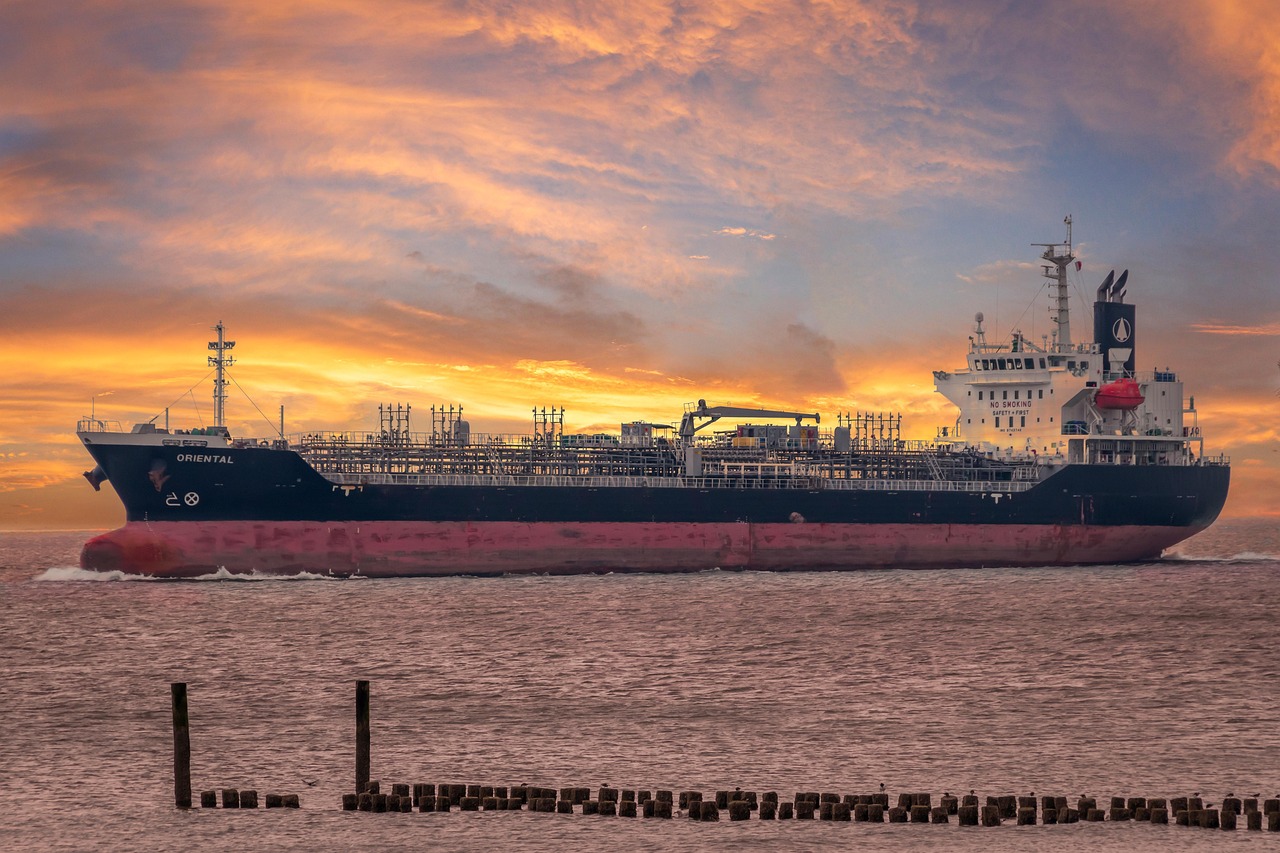
Ocean transport has also become harder to plan around a single quoted sailing schedule. UNCTAD’s Review of Maritime Transport 2025 reported that vessel rerouting pushed up ton-miles in 2024, meaning ships carried cargo over longer distances than before. Longer routes can absorb vessel capacity even when headline cargo volume does not rise at the same pace. Forwarders therefore need to compare more than the base freight rate. Schedule reliability, transshipment risk, port congestion, inland connections and the probability of route changes all affect the real service outcome.
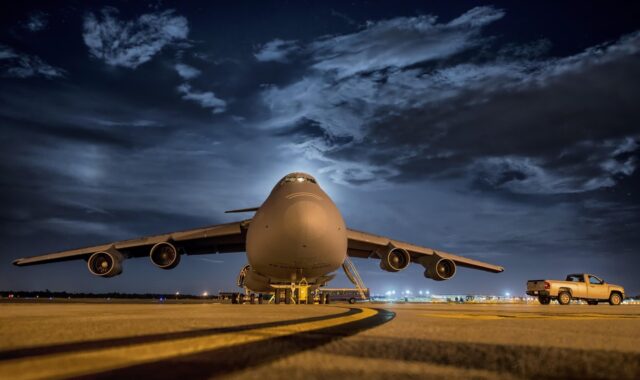
Air cargo adds another layer of decision-making. IATA’s August 2026 air cargo market analysis showed global air cargo demand rising year on year while capacity was tight, with fuel costs putting pressure on margins. Air freight can solve urgent lead-time problems, but it is not always a simple upgrade from ocean freight. It may require different packaging, security screening, customs timing and product eligibility checks. For high-value, time-sensitive or supply-critical goods, the right forwarder can compare whether air, sea-air, rail or deferred air services are commercially justified.
The forwarding workflow from order to delivery
A disciplined forwarding workflow starts before cargo is packed. Many delays begin when commercial teams agree to terms without checking whether the logistics plan can support them. The steps below show where logistics and forwarding decisions normally enter the trade cycle.
- Commercial review. The buyer and seller confirm product details, delivery deadline, payment terms, Incoterms rule, required documents and any import restrictions.
- Shipment planning. The forwarder or logistics team compares transport modes, routes, carrier options, cut-off dates, space availability and expected landed cost.
- Documentation setup. The shipper prepares the commercial invoice, packing list, origin documents if required, transport instructions, dangerous goods details where applicable and any certificates required by destination authorities.
- Booking and cargo readiness. The forwarder books space, confirms equipment or airline capacity, arranges pickup and checks whether packaging, marks and weights match transport requirements.
- Export clearance and departure. Customs filings and security data are submitted according to local rules. Cargo is delivered to the terminal, airport, warehouse or consolidation facility before cut-off.
- In-transit control. The forwarder monitors milestones, transshipment changes, estimated arrival, document release and any exceptions that affect the consignee.
- Import clearance and final delivery. Import data, duties, taxes, inspection status, terminal release, inland transport and proof of delivery are coordinated.
This sequence is straightforward on paper, but each step creates dependencies. An ocean booking cannot protect the importer if the shipper provides late or inconsistent data. A customs broker cannot clear goods efficiently if the commercial invoice does not match the packing list. A carrier schedule is less useful if the inland truck appointment is not aligned with terminal availability.
Where costs and risks usually appear
Freight cost is only one part of the logistics decision. Importers and exporters also need to watch the cost drivers that appear when responsibilities are unclear or shipment data is weak.
| Risk area | Common cause | Forwarding control point |
|---|---|---|
| Unexpected landed cost | Freight, surcharges, duties, insurance or destination fees estimated separately | Build a landed-cost view before confirming the sales price |
| Customs delay | Incomplete product description, wrong classification support or missing certificates | Check documentation and regulatory requirements before cargo departure |
| Storage, demurrage or detention | Late document release, delayed pickup, inspection hold or unclear free-time terms | Track arrival milestones and agree who acts when cargo becomes available |
| Mode mismatch | Choosing the cheapest option despite a fixed delivery promise | Compare cost against lead time, reliability and inventory impact |
| Cargo damage | Packaging not suitable for handling, stacking, moisture or long transit | Review packing method, cargo insurance needs and handling instructions |
| Payment friction | Transport documents do not match letter-of-credit or buyer requirements | Align document wording and release process with payment terms |
The World Bank’s 2023 Logistics Performance Index highlighted how much time can be absorbed by port, airport and multimodal processes. It reported that, on average across potential trade routes, 44 days elapsed from when a container entered the exporting country’s port until it left the destination port. The point is practical: international delivery performance depends on nodes and handoffs, not only vessel or flight time. See also: Customs and Compliance.
Compliance and data are now part of the freight plan
Forwarding has become more data-driven because customs and security authorities increasingly require advance cargo information. The European Union’s Import Control System 2 is one example. Its Release 3 expanded advance cargo information requirements across modes, with maritime, inland waterway, road and rail phases implemented through 2024 and 2025. For traders, the lesson is broader than one regulation: shipment data must be accurate earlier in the process.
That changes how commercial, warehouse and logistics teams need to work together. A vague product description may once have been corrected later. Today it can delay a filing, trigger a query or create inconsistent records across the invoice, packing list and transport document. Forwarders can help identify data gaps, but they cannot invent accurate product information. Importers and exporters still need internal controls for item descriptions, HS classification support, origin data, weights, values and party details.
Incoterms rules also remain central. The ICC’s Incoterms 2020 rules do not set the sales price or transfer ownership of goods, but they help define delivery obligations, cost allocation and risk transfer between seller and buyer. A mismatch between the Incoterms rule and the physical shipping plan can create disputes. Containerized cargo, for example, often involves terminal handoffs before goods are loaded on board, so the parties should be careful about which rule best reflects the actual delivery point.
How to evaluate a forwarding plan
A strong forwarding plan should be testable. Importers and exporters should not rely only on a quoted transit time or a low freight rate. They should ask how the forwarder reached the recommendation and what will happen if the first plan changes.
- Mode logic: The plan should explain why ocean, air, rail, road, multimodal or a hybrid solution fits the cargo value, deadline and risk profile.
- Route transparency: The shipper should know the loading point, discharge point, transshipment points, inland legs and expected handoff milestones.
- Document ownership: Each party should know who prepares, checks, submits and releases each document.
- Exception handling: The plan should identify what happens if cargo misses cut-off, a vessel is delayed, inspection occurs or capacity changes.
- Cost boundaries: The quote should separate freight, origin charges, destination charges, customs-related costs, delivery costs and optional insurance where possible.
- Visibility standard: Tracking should focus on decision points, not just status messages. A delay alert is useful only if it triggers a practical next step.
For larger or repeated shipments, performance should be measured. Useful indicators include on-time pickup, on-time departure, on-time arrival, customs clearance time, document accuracy, claims frequency, invoice accuracy and total cost variance against estimate. These measures help separate a forwarder that simply reacts from one that improves the supply chain over time.
Data points shaping 2026 logistics decisions
The table below summarizes selected public data points that matter for logistics and forwarding decisions. They should not be treated as a forecast for every trade lane, but they show why planning discipline has become more important.
| Source | Relevant finding | Practical implication |
|---|---|---|
| WTO, October 2026 trade outlook | World merchandise trade volume growth forecast at 3.9% for 2026 and 4.1% for 2027 | Capacity and service pressure may remain uneven across high-growth product groups and regions |
| WTO, October 2026 trade outlook | AI-enabling goods made a major contribution to merchandise trade growth in the first half of 2026 | Electronics, components and related equipment may require tighter lead-time and security planning |
| UNCTAD Review of Maritime Transport 2025 | Rerouting increased ton-miles in 2024 | Longer sailing distances can affect capacity, schedule reliability and emissions exposure |
| IATA August 2026 air cargo analysis | Air cargo demand grew year on year while capacity conditions remained tight | Air options should be evaluated early for urgent cargo rather than treated as a last-minute rescue |
| World Bank Logistics Performance Index 2023 | Ports, airports and multimodal facilities are major sources of logistics delay | Milestone control at handoff points can be as important as the main international leg |
Frequently asked questions
What is the difference between logistics and forwarding?
Logistics is the broader management of goods, information and cost across the supply chain. Forwarding is the specialized coordination of transport, documents, customs interfaces and cargo movement between origin and destination. In practice, forwarding is one important part of international logistics.
Do small exporters need a freight forwarder?
Not every shipment requires the same level of support, but small exporters often benefit from forwarding expertise when they ship internationally for the first time, use unfamiliar Incoterms, face destination documentation rules or need multimodal transport. The forwarder can help prevent avoidable mistakes, but the exporter must still provide accurate product and commercial information.
Is the lowest freight rate usually the best option?
Not necessarily. A low rate can be useful if the service matches the delivery promise, cargo risk and documentation requirements. It can become expensive if it leads to missed cut-offs, long transit time, weak visibility, storage charges or poor exception handling. The better comparison is total landed cost and reliability, not base freight alone.
How do Incoterms affect forwarding?
Incoterms help define where delivery occurs and how costs and risks are divided between buyer and seller. The forwarder needs this information to plan pickup, main carriage, insurance support, customs coordination and destination delivery. If the chosen rule does not match the physical movement, disputes can arise over cost and responsibility.
What documents should be checked before cargo moves?
At minimum, traders should check the commercial invoice, packing list, transport instructions, party details, product descriptions, weights, values, origin information and any certificates or licenses required by the destination country. For regulated, dangerous, high-value or temperature-sensitive cargo, additional documents and handling instructions may be required.