Sea and air freight planning for importers balancing cost, speed and reliability
a[data-rs-seo-link]{text-decoration:underline!important;color:#1a56db!important;cursor:pointer!important;}a[data-rs-seo-link]{text-decoration:underline!important;color:#1a56db!important;cursor:pointer!important;}
Sea and air freight are not interchangeable transport choices. Sea freight is usually the practical option for larger, heavier or less urgent import shipments. Air freight is used when speed, inventory protection or supply chain recovery justifies the higher transport cost. For many importers, the right plan is not to choose one mode permanently, but to match each shipment to its value, deadline, cargo profile and disruption risk. Recent market signals from IATA, UNCTAD and IMO show why this decision has become more strategic: air cargo demand has rebounded strongly, ocean freight remains exposed to chokepoints and schedule volatility, and environmental and documentation requirements continue to shape routing choices.
Why sea and air freight decisions matter more now
For importers, freight mode selection affects landed cost, delivery reliability, working capital and customer service. An inexpensive but bulky product may become uncompetitive if moved by air. A high-value component may create factory downtime or lost sales if it waits for the next vessel schedule. The right choice depends on the cost of delay as much as the cost of transport.
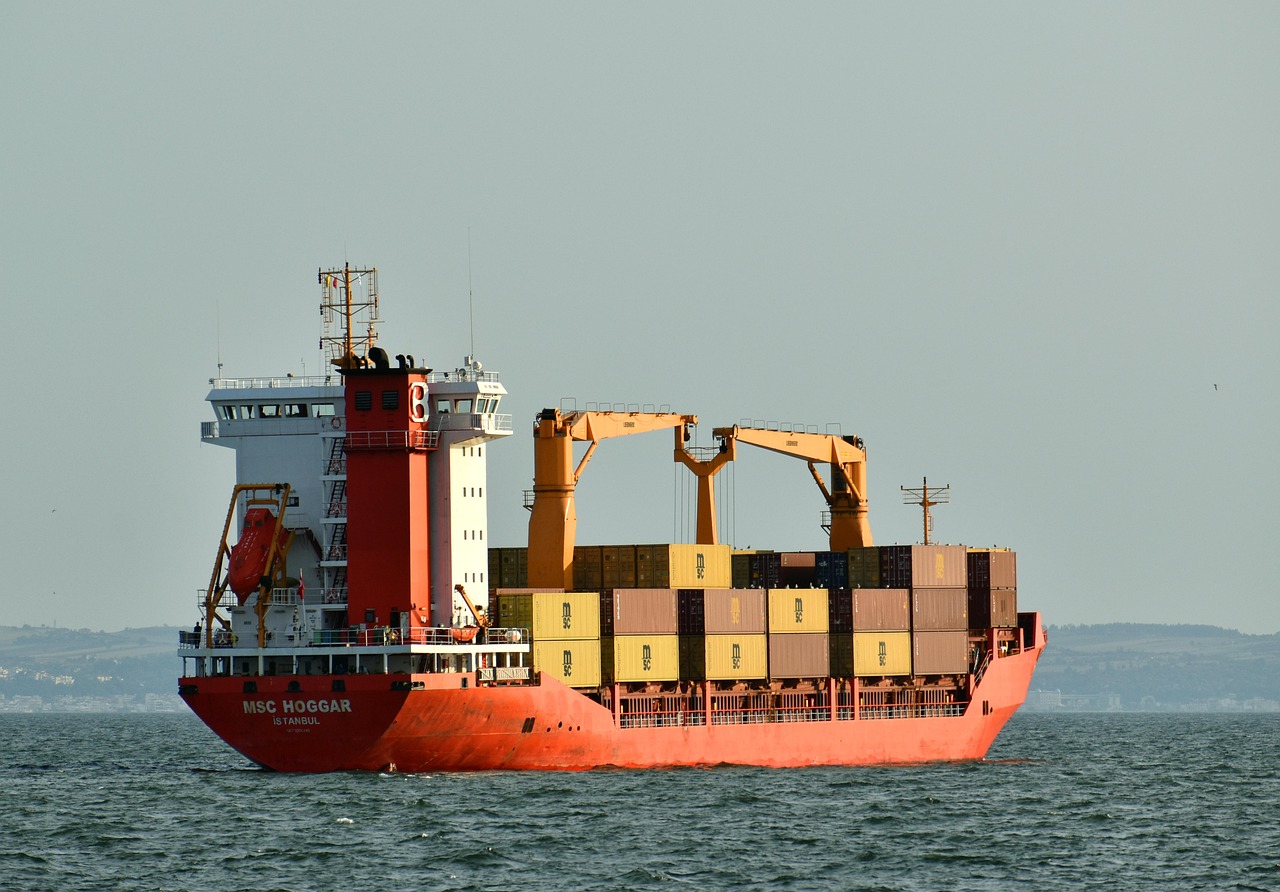
Recent conditions have made that calculation more sensitive. IATA reported that global air cargo demand achieved record growth in 2024, measured in cargo tonne-kilometres. That does not mean air freight is automatically easy to secure. It means importers are operating in a market where e-commerce, urgent replenishment and supply chain recovery can compete for space. UNCTAD’s Review of Maritime Transport 2024 also highlighted how disruptions around the Red Sea, Suez Canal and Panama Canal contributed to more unpredictable container shipping rates and routing decisions. These conditions make sea and air freight planning a commercial decision, not just a back-office booking task.
For related trade logistics topics, readers can also follow the site’s Freight and Logistics section.
How sea freight works for import shipments
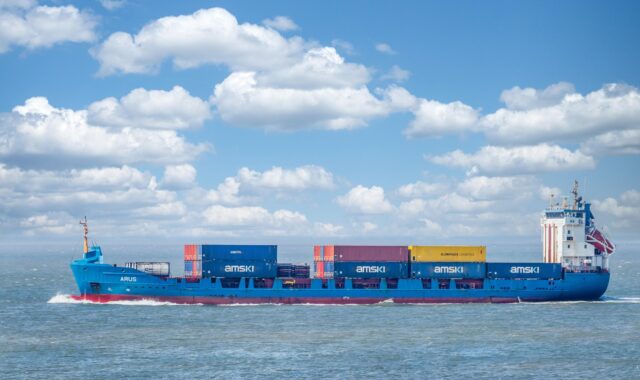
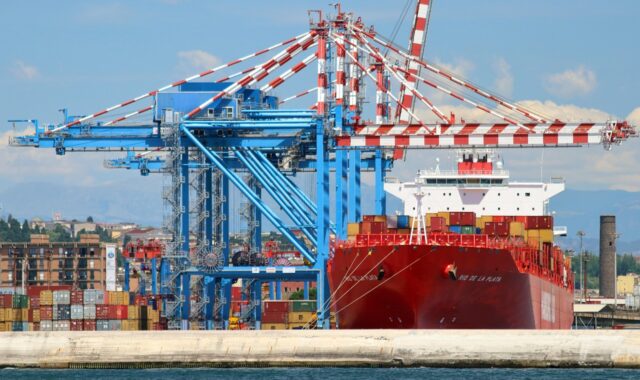
Sea freight moves goods by vessel, usually in containers for manufactured goods and many consumer products. Importers typically use full container load, less than container load or specialized equipment depending on shipment volume, weight and cargo requirements.
Full container load
Full container load, often shortened to FCL, is used when one shipper books a container for its own cargo. It generally makes sense when the shipment is large enough to use most of a 20-foot or 40-foot container, or when the importer wants better control over handling and consolidation risk. FCL can reduce per-unit transport cost for larger shipments, but it also requires enough inventory volume and warehouse capacity to justify moving a full container.
Less than container load
Less than container load, or LCL, allows smaller shipments to share container space with cargo from other shippers. It helps importers avoid waiting until they have enough goods for a full container. However, LCL usually involves more handling, consolidation and deconsolidation, which can add time and increase the risk of delay or damage. For fragile, high-value or time-sensitive goods, the lower freight cost may not always offset the operational complexity.
When sea freight is usually the better fit
- Large or heavy shipments where air freight would be uneconomical.
- Predictable replenishment orders with enough planning lead time.
- Low to medium value-density goods where inventory carrying cost is manageable.
- Products that are not highly perishable or urgently needed for production.
- Shipments where emissions per unit moved are a major consideration.
The main limitation is time. Port congestion, blank sailings, transshipment delays, weather, customs holds and geopolitical disruption can all affect ocean schedules. Importers should treat the published sailing time as one part of the timeline, not the whole timeline. Factory release, export clearance, port cut-off, loading, transit, discharge, customs clearance and inland delivery all add steps.
How air freight works for import shipments
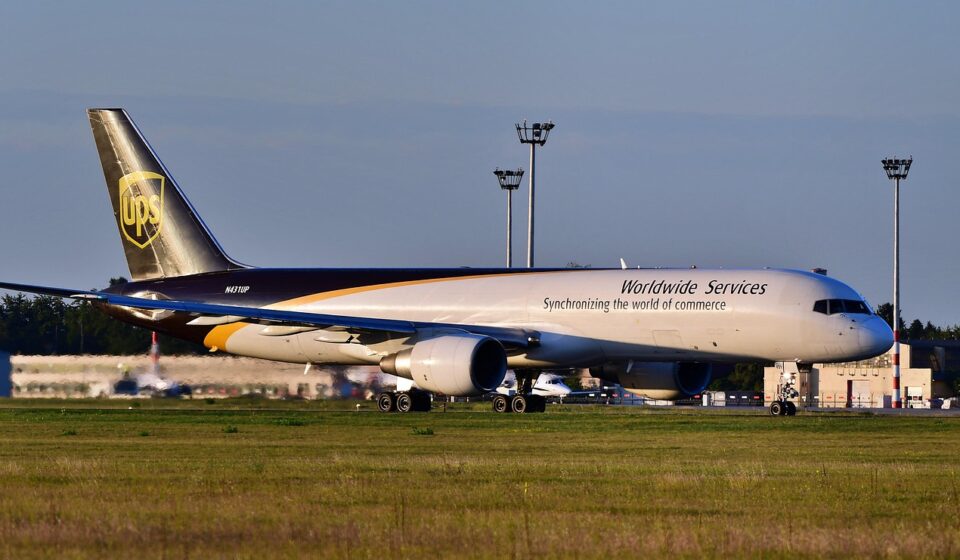
Air freight moves goods by aircraft, either in dedicated freighter aircraft or in the bellyhold of passenger aircraft. It is typically used for urgent, valuable, lightweight, seasonal or inventory-critical products. The main advantage is speed, but the cost structure is very different from ocean shipping.
Air freight is usually priced on chargeable weight. The carrier compares actual gross weight with volumetric weight and charges based on the higher figure. As a result, light but bulky goods can become expensive by air even if they do not weigh much. Importers should review carton dimensions, pallet build, packaging efficiency and consolidation options before assuming that air is the best practical choice.
When air freight is usually the better fit
- Critical parts needed to restart production or prevent a line stoppage.
- High-value goods where inventory delay is more expensive than transport cost.
- Launch products, promotional items or seasonal goods with fixed selling windows.
- Medical, technology or precision goods that require shorter transit exposure.
- Small shipments where the total freight premium is acceptable relative to margin.
Air freight also has constraints. Capacity can tighten quickly during peak seasons or disruption events. Airports can face handling backlogs, security screening delays and customs bottlenecks. Dangerous goods, batteries, temperature-sensitive cargo and regulated products require careful documentation and packaging. Speed is valuable only if the entire route is controlled, including pickup, export handling, flight, import clearance and final delivery.
Sea freight vs air freight comparison for importers
The choice between sea and air freight should be based on total business impact, not only the freight quote. A lower ocean rate may be costly if it creates missed sales. A fast air move may damage margin if the goods are low value or can be replenished later without serious commercial impact.
| Decision factor | Sea freight | Air freight |
|---|---|---|
| Typical strength | Lower cost per unit for large or heavy cargo | Shorter transit time for urgent shipments |
| Best cargo profile | Bulky, heavy, planned replenishment, non-urgent goods | High-value, lightweight, urgent or time-sensitive goods |
| Main risk | Longer lead time and exposure to port, canal and vessel disruption | Higher cost and capacity pressure during peak periods |
| Inventory impact | Requires earlier ordering and higher safety stock | Supports faster replenishment and lower delay exposure |
| Documentation focus | Bill of lading, packing list, invoice, customs data and container details | Air waybill, security data, invoice, packing list and special cargo declarations |
| Common use case | Regular import programs and consolidated purchase orders | Emergency replenishment, product launches and critical spare parts |
A useful rule is to compare the freight premium with the cost of waiting. That cost can include lost sales, production downtime, contract penalties, customer churn, markdowns, inventory stockouts or expedited domestic distribution. If the cost of delay is higher than the extra freight cost, air freight may be commercially rational. If the shipment has flexible timing and low value density, sea freight usually remains the more disciplined option.
Hybrid sea and air freight strategies
Many importers use both modes within the same supply chain. This can be more resilient than treating sea and air freight as an either-or decision. Hybrid planning helps businesses protect critical demand while keeping most inventory on a lower-cost ocean schedule.
Split shipments
A common approach is to send a small urgent portion by air and the balance by sea. For example, a brand may air freight enough inventory to support a launch date, then replenish stores or warehouses with ocean cargo. A manufacturer may fly in essential components while standard parts remain on vessel schedules. This avoids applying air freight cost to the entire purchase order.
Sea-air routing
Sea-air routing moves cargo part of the journey by vessel and part by aircraft. It can be useful when pure ocean transit is too slow but full air freight is too expensive. However, it is not automatically simpler. It adds transfer points, documentation handovers and coordination requirements. Importers should verify whether the intermediate hub has reliable handling, customs processes and flight capacity before using this option.
Exception-based air freight
Another practical strategy is to reserve air freight for exceptions. Under this model, the normal flow stays on ocean freight, but predefined triggers allow urgent air moves. Triggers may include supplier delay, vessel rollover, stockout risk, confirmed customer deadline or production stoppage. This prevents teams from using air freight as a routine fix for weak planning while still protecting the business when disruption occurs. See also: Customs and Compliance.
Documentation, compliance and visibility checks
Good freight decisions depend on accurate shipment data. Incorrect dimensions, vague product descriptions, missing tariff information or late documents can delay both sea and air shipments. The faster the mode, the less time there is to correct errors before arrival.
Importers should check the following before booking:
- Commercial invoice details, including seller, buyer, currency, values and product descriptions.
- Packing list accuracy, including carton count, gross weight, net weight and dimensions.
- HS classification and country of origin information for customs clearance.
- Incoterms agreed with the seller and the exact responsibility split for freight, insurance and clearance.
- Cargo restrictions, including dangerous goods, lithium batteries, temperature control or sanitary requirements.
- Insurance requirements based on cargo value, route risk and contract terms.
- Latest cut-off times for ports, airports, warehouses and customs filing.
Visibility is also changing. IATA has promoted ONE Record as a data-sharing standard for air cargo stakeholders, with the standard endorsed as preferred from January 1, 2026. For importers, the practical implication is that shipment data quality will become increasingly important. Better data can improve milestone visibility, exception management and coordination among forwarders, airlines, handlers and customs brokers.
Ocean freight has its own data challenge. Vessel schedules, port congestion, transshipment status and inland rail or truck capacity can all affect arrival. Importers should not rely only on the estimated time of arrival at the destination port. The commercially relevant date is when the cargo is cleared, available and delivered to the warehouse or production site.
Environmental and cost pressures to include in planning
Freight mode selection also affects emissions and regulatory exposure. Air freight is faster but typically has a higher emissions intensity per unit than ocean freight. Ocean shipping is more efficient for large volumes, but it is not free from environmental regulation or fuel-related cost pressure.
The International Maritime Organization’s global sulphur rule, known as IMO 2020, reduced the sulphur limit in marine fuel oil used outside designated emission control areas to 0.50% mass by mass from January 1, 2020, down from the previous 3.5% limit. This rule is now part of the cost and compliance background for ocean carriers and charterers. For importers, the lesson is that freight rates are influenced not only by distance and demand, but also by fuel quality, regulation, routing, equipment balance and carrier operating costs.
Environmental considerations should be handled honestly. If a shipment must move by air to avoid a factory shutdown, that may be the right business decision. But if demand is predictable, earlier purchasing and better forecasting can shift more volume to ocean freight and reduce the need for emergency air moves. Sustainable logistics often begins with better planning rather than a single transport label.
A practical framework for choosing the right mode
Importers can use a structured framework to avoid emotional or last-minute mode decisions. The aim is to turn freight choice into a repeatable commercial rule.
- Define the required delivery date. Work backward from the true need date, not the preferred shipping date.
- Calculate the cost of delay. Include lost sales, production risk, penalties, markdowns and customer service impact.
- Measure cargo value density. High-value, compact goods can justify air freight more easily than bulky, low-margin goods.
- Check route reliability. Review whether the lane is exposed to port congestion, canal disruption, transshipment risk or peak-season capacity pressure.
- Compare total landed cost. Include freight, handling, duties, taxes, insurance, storage, demurrage, detention and financing cost.
- Set exception rules. Decide in advance when a shipment may be upgraded from sea to air.
- Review results after delivery. Compare planned versus actual transit, cost and service impact to improve the next booking.
This framework does not remove uncertainty, but it makes the trade-offs visible. A good sea and air freight plan should tell the business which shipments can wait, which cannot, and what each decision costs.
Frequently asked questions
Is sea freight always cheaper than air freight?
Sea freight is usually cheaper per unit for large and heavy shipments, but it is not always cheaper in total business impact. If ocean transit causes missed sales, production downtime or urgent domestic recovery costs, air freight may be the better commercial decision for part of the order.
When should an importer switch from sea freight to air freight?
A switch is usually justified when the cost of delay is higher than the air freight premium. Common triggers include supplier delays, stockout risk, customer deadlines, seasonal launch dates or production stoppages. Importers should define these triggers before a crisis occurs.
Can one shipment use both sea and air freight?
Yes. Importers can split a purchase order, send an urgent portion by air and move the balance by sea. Some routes may also support sea-air services, although these require careful coordination at the transfer point.
What documents are most important for sea and air freight?
Both modes require accurate commercial invoices, packing lists and customs data. Sea freight commonly uses a bill of lading, while air freight uses an air waybill. Special cargo, dangerous goods and regulated products may require additional declarations, certificates or approvals.
What is the biggest mistake in freight mode selection?
The biggest mistake is comparing only freight rates. Importers should compare total landed cost, delivery risk, inventory impact and the cost of delay. The cheapest freight quote may not be the lowest-cost supply chain decision.