What cargo and freight agents do in international trade logistics
a[data-rs-seo-link]{text-decoration:underline!important;color:#1a56db!important;cursor:pointer!important;}a[data-rs-seo-link]{text-decoration:underline!important;color:#1a56db!important;cursor:pointer!important;}
Why cargo and freight agents matter now
Cargo and freight agents help turn a trade order into a shipment that can actually move. They arrange pickups, compare routing options, prepare or check transport documents, coordinate with carriers and terminals, and track cargo through delivery or handoff. For importers and exporters, their value is not just in booking freight. It is in keeping sales terms, cargo readiness, carrier capacity, customs requirements and delivery dates aligned.
That coordination matters when freight markets are exposed to port delays, schedule changes, geopolitical disruption, weather events and uneven air cargo demand. A good agent cannot remove every risk or take over every legal responsibility, but can reduce avoidable errors by making clear who is responsible for each step, which documents are required, and where cost or delay can enter the shipment.
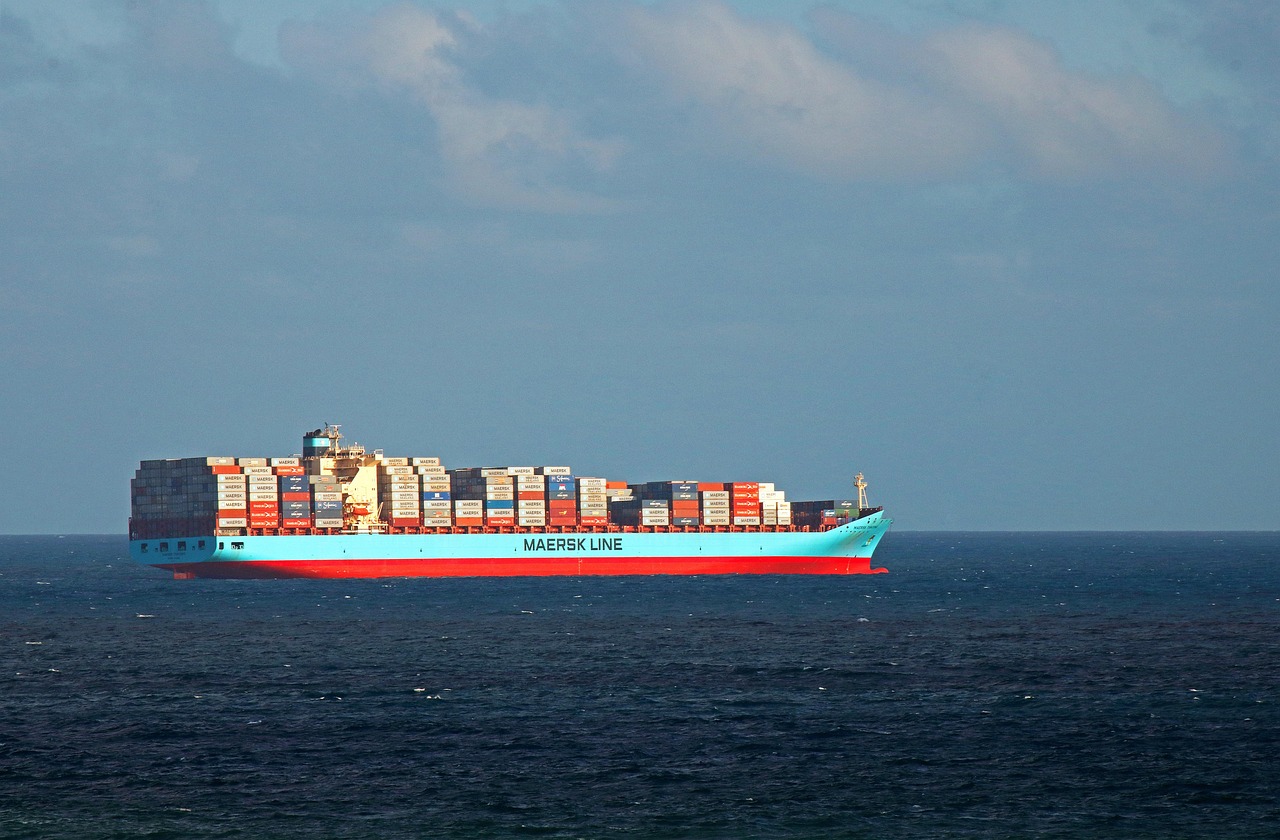
This article focuses on the operational and compliance role of cargo and freight agents in cross-border trade. For broader context on shipping, transport modes and supply chain planning, see our freight and logistics coverage.
What the role covers in practice
The term cargo and freight agents can describe several closely related logistics roles. O*NET, the U.S. occupational information system, describes cargo and freight agents as workers who expedite and route incoming and outgoing cargo in airline, rail, trucking terminal and shipping dock environments. Its listed tasks include arranging pickup, preparing and examining bills of lading, determining shipping charges and tariffs, tracking delivery progress, advising customers on transport and payment methods, and checking received items against invoices or other documents.
In international trade, the work often reaches beyond a terminal counter. A cargo or freight agent may help a shipper compare air, ocean, truck, rail or intermodal options; request rates; check cut-off times; confirm equipment availability; coordinate consolidation; arrange cargo insurance when requested; and share milestone updates. The International Federation of Freight Forwarders Associations, known as FIATA, describes freight forwarding and logistics services broadly as services connected with carriage, consolidation, storage, handling, packing, distribution, customs and fiscal matters, insurance, payments and documents. Not every agent performs all of these services, so the scope should be confirmed in writing.
For an importer or exporter, the practical question is direct: what will this agent control, what will another party control, and what remains the shipper’s responsibility? The answer determines who books space, who files or supports filings, who pays which charges, who receives arrival notices, and who responds if cargo misses a cut-off or is selected for examination.
How they differ from forwarders, NVOCCs and customs brokers
Job titles can be confusing because one logistics company may operate through several legal roles. A business may market itself as a freight forwarder, act as an agent for a carrier, issue a house bill of lading as a non-vessel-operating common carrier, and coordinate customs clearance through a licensed broker. These distinctions matter because authority, liability and regulatory obligations can differ.
| Role | Typical function | What traders should verify |
|---|---|---|
| Cargo or freight agent | Coordinates shipment routing, bookings, pickup, documentation, tracking and customer communication. | Confirm whether the agent acts only as an intermediary or also accepts carrier-like responsibility under its own transport document. |
| Freight forwarder | Organizes transport across one or more modes and often advises on packing, documents, insurance and route design. | Check service scope, liability terms, cargo insurance options, network coverage and experience on the relevant lane. |
| Ocean freight forwarder in U.S. trades | Arranges cargo movement from the United States to an international destination and processes related documentation. | The Federal Maritime Commission treats ocean freight forwarders as ocean transportation intermediaries and requires U.S.-based operators in covered trades to be licensed and financially responsible. |
| NVOCC | Provides ocean transportation to the public without operating vessels, usually issuing its own house bill of lading. | For U.S. trades, verify FMC status, financial responsibility and tariff obligations before relying on the provider. |
| Customs broker | Conducts customs business on behalf of importers, including entry-related work, classification support and duty procedures. | U.S. Customs and Border Protection states that customs brokers are licensed by CBP, but the importer of record remains responsible for the correctness of entry information and applicable duties, taxes and fees. |
| Carrier | Actually transports cargo by vessel, aircraft, truck or rail under a transport contract. | Review schedules, equipment limits, service terms, liability limits, cut-off times and claims procedures. |
The main takeaway is that a title alone is not enough. Ask whether the company is acting as an agent, forwarder, NVOCC, customs broker, carrier or a combination of these roles on your shipment. The answer affects claims, documentation, compliance, insurance and the party you must contact when something goes wrong.
Documents, compliance and risk points to control
International shipments depend on documents that match the commercial reality of the goods. A cargo and freight agent may prepare or review bills of lading, airway bills, booking confirmations, commercial invoices, packing lists, certificates, delivery orders and arrival notices. Even so, the shipper, seller, buyer and importer of record must ensure that product descriptions, values, quantities, weights, country of origin and consignee details are accurate.
Transport documents must match the shipment
A bill of lading or airway bill is not just an operational receipt. It can affect possession, routing, carrier liability, consignee release and, in some transactions, payment under a letter of credit. Incorrect container numbers, seal numbers, weights or consignee names can delay release at destination. Agents should have a structured document check before cargo departure, especially for consolidated shipments, dangerous goods, temperature-controlled cargo and time-sensitive air freight.
Customs responsibility cannot be outsourced completely
CBP guidance for U.S. imports is clear that importers may use a customs broker for convenience and expertise, but the importer remains ultimately responsible for compliance. That matters when a freight agent receives product data from a seller and passes it onward. If the product description is vague, the value is inconsistent with the purchase contract, or the tariff classification has not been checked, the operational shipment may move while the compliance risk remains with the importer.
For ocean vessel shipments to the United States, Importer Security Filing requirements also create a timing issue. Advance cargo information must be submitted under the applicable rules and deadlines. An agent can help coordinate the data flow, but traders should agree in advance who provides manufacturer, seller, buyer, ship-to party, commodity and container stuffing information.
Incoterms should guide the handoff
Incoterms® 2020, published by the International Chamber of Commerce, help allocate delivery responsibilities, costs and risk between seller and buyer. They do not replace the sales contract, customs law or insurance policy. Agents should know the named place or port and the chosen rule before quoting, because EXW, FCA, FOB, CIF, DAP and DDP can produce very different responsibilities. A shipment quoted without a clear Incoterms rule may look cheaper at first but expose one party to unexpected origin, destination or clearance costs.
Market signals that increase the value of good coordination
Cargo and freight agents become more valuable when the market is uneven rather than predictable. IATA’s December 2025 air cargo market analysis reported that global cargo tonne-kilometers grew 4.3 percent year on year in December 2025 and 3.4 percent for the full year, with growth concentrated in particular regions and trade lanes rather than spread evenly across the market. IATA linked part of the trend to e-commerce, supply chain reconfiguration and demand for time-critical transport. See also: Customs and Compliance.
Ocean freight has its own volatility. The World Bank and S&P Global Market Intelligence use the Container Port Performance Index to compare ports by vessel time in port and related operational indicators. Their 2025 materials note that port performance can be affected by outside forces such as geopolitical disruption, shipping route changes, weather and climate-related constraints. For shippers, this means a cheap route is not always the lowest-risk route if it depends on congested ports, tight transshipment windows or weak inland connectivity.
Rate indices can help traders read the market, but they are not a substitute for a shipment-specific quote. Container rate benchmarks such as the Freightos Baltic Index are useful signals for spot-rate direction, while individual quotes still depend on lane, equipment type, commodity, transit time, carrier, surcharges, free time, origin charges and destination charges. A capable agent explains the difference between a market index and the charges that will appear on a customer’s invoice.
How to choose and manage cargo and freight agents
Choosing cargo and freight agents should be treated as a risk-management decision, not just a price comparison. The lowest linehaul rate can become expensive if the quote excludes destination terminal handling, documentation, storage, demurrage, detention, customs brokerage, inspection fees or special handling.
Questions to ask before booking
- What exact role are you playing on this shipment: agent, freight forwarder, NVOCC, customs broker, carrier agent or another role?
- Which legal entity will appear on the quote, invoice, bill of lading or airway bill?
- What licenses, permits or registrations apply to this lane and service?
- Which charges are included, which are estimates and which may change after booking?
- How long is the rate valid, and what surcharges can be added later?
- What cargo information do you need before pickup, and what happens if data changes after booking?
- Who monitors milestones such as pickup, gate-in, departure, transshipment, arrival, customs release and final delivery?
- What is the escalation process if cargo is rolled, delayed, damaged, short-shipped or held for examination?
Data and visibility expectations
Modern logistics teams should expect more than a vague status update. A useful agent can provide a timeline with cargo-ready date, pickup appointment, terminal cut-off, estimated departure, actual departure, transshipment status, estimated arrival, arrival notice, customs release status, delivery appointment and proof of delivery. For air freight, milestone discipline is even more important because late documents can erase the advantage of a faster mode.
Red flags to avoid
Be cautious if an agent refuses to identify its legal role, avoids written terms, promises that customs will never be a problem, pushes the shipper to understate value or misdescribe goods, or gives an all-in price without explaining what is included. Other red flags include no written claims procedure, no clear cargo insurance option, limited knowledge of the destination market, and poor cut-off communication.
Labor capacity is also part of service quality. The U.S. Bureau of Labor Statistics reported 97,670 cargo and freight agents employed in the United States in May 2025, with a median annual wage of $52,260 and a mean annual wage of $57,230. Those figures do not measure service quality directly, but they show that this is a recognized occupational function with specialized operational knowledge, not merely a clerical add-on.
Frequently asked questions
Are cargo and freight agents the same as freight forwarders?
Sometimes, but not always. A freight forwarder usually arranges transportation and related logistics services on behalf of a shipper. A cargo or freight agent may perform similar coordination work, but the exact authority depends on the company’s legal role, licenses and contract terms. Always confirm what the provider is authorized to do on your specific shipment.
Do importers still need a customs broker?
Many importers use a customs broker because customs entries, classification, valuation, duty payment and partner government agency requirements can be complex. In the United States, CBP licenses customs brokers, but importers remain responsible for the accuracy of the entry documentation and applicable duties, taxes and fees. A freight agent can coordinate with the broker, but should not be assumed to replace one unless properly licensed and engaged for that service.
Can cargo and freight agents reduce freight costs?
They can help control costs by comparing routes, consolidating cargo, selecting appropriate modes, preventing documentation errors and warning about storage, demurrage or detention exposure. They cannot guarantee a lower price in every market. The strongest savings often come from better planning, accurate cargo data, flexible routings and clear cost allocation under the sales contract.
What information should a shipper prepare before contacting an agent?
Prepare the cargo description, HS code if known, dimensions, gross weight, package count, pickup and delivery locations, cargo-ready date, required delivery date, Incoterms rule, cargo value, temperature or hazardous requirements, preferred mode, insurance needs and any special documents. The more complete the data, the more reliable the quote and transit plan will be.
What is the main mistake companies make when using cargo and freight agents?
The common mistake is treating the agent as a single solution for every legal, commercial and operational issue. A strong agent coordinates the shipment, but the seller, buyer and importer still need clear contracts, accurate documents, correct compliance data, and a realistic plan for delays, inspections and extra charges.