Sea freight planning in 2026 amid changing costs, capacity and compliance
a[data-rs-seo-link]{text-decoration:underline!important;color:#1a56db!important;cursor:pointer!important;}a[data-rs-seo-link]{text-decoration:underline!important;color:#1a56db!important;cursor:pointer!important;}
Why sea freight planning needs a wider lens in 2026
Sea freight remains the backbone of long-distance goods movement, but planning it in 2026 is no longer just a search for the lowest base rate. Importers and exporters need to look at total landed cost, schedule risk and compliance exposure before cargo is booked. Recent trade and shipping data point in several directions at once: merchandise trade has been stronger than expected, container capacity is expanding, and regulatory costs are becoming a more visible part of ocean pricing.
For shippers, the practical takeaway is straightforward. A reliable sea freight plan should compare rates, transit time, service frequency, routing, surcharges, documentation requirements and disruption buffers. Headline rates matter, but they do not show whether space is dependable, whether the schedule is realistic or whether extra charges will appear later in the shipment cycle.
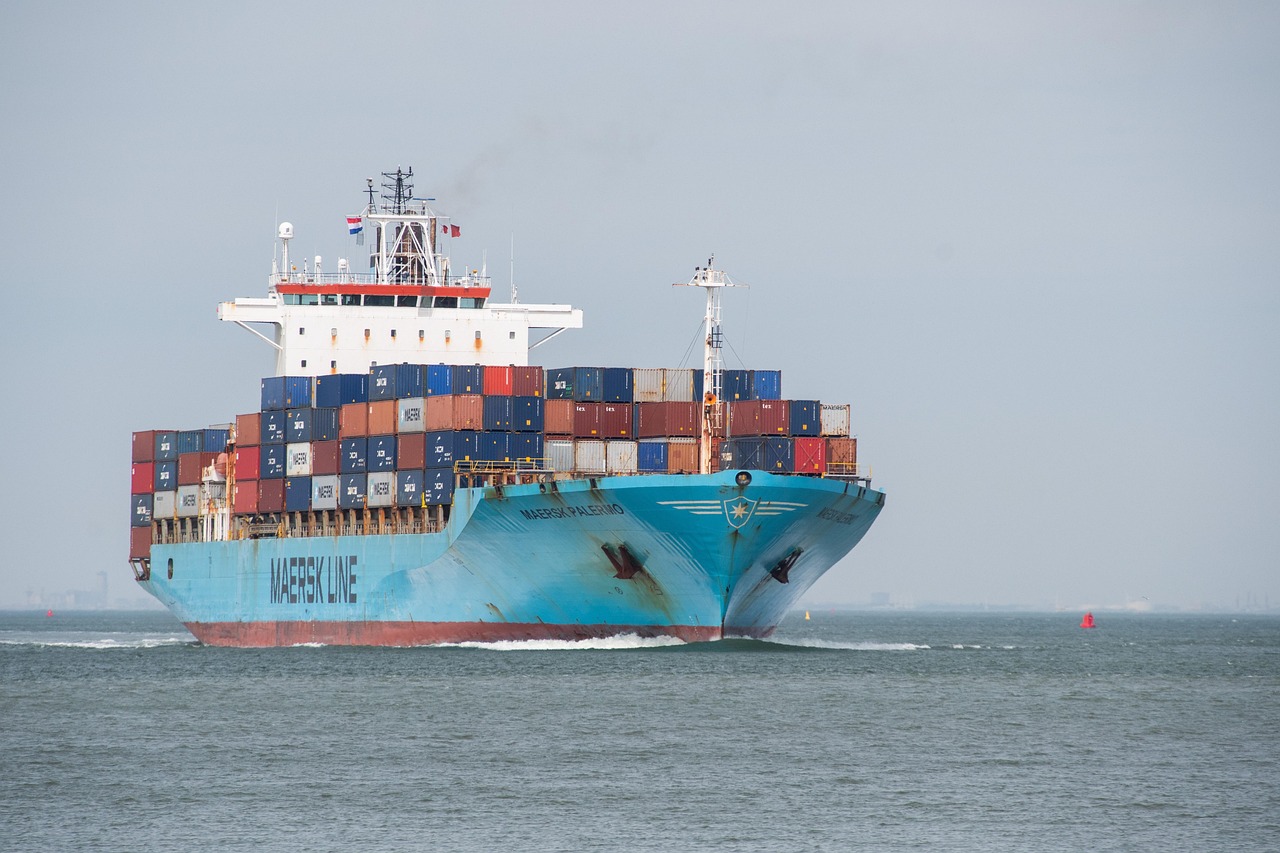
This article explains the main forces shaping sea freight decisions in 2026 and sets out a practical framework for businesses that need predictable goods movement rather than rate comparisons alone. For related trade and transport topics, visit our Freight and Logistics section.
The market signal is mixed rather than simply cheap or expensive
One reason sea freight planning feels difficult in 2026 is that market indicators are not moving in one clean direction. The World Trade Organization said in its 8 October 2026 Global Trade Outlook update that world merchandise trade volume is expected to grow by 3.9% in 2026 and 4.1% in 2027, a notable upward revision from its March forecast. That supports container demand, particularly on lanes linked to electronics, machinery and other goods tied to investment in digital and AI-related infrastructure.
At the same time, spot container pricing can change quickly. Drewry reported on 15 October 2026 that its World Container Index rose 3% to USD 4,485 per 40-foot container. One weekly increase does not define every trade lane, contract rate or shipper outcome, but it is a useful reminder that ocean freight remains sensitive to capacity withdrawals, seasonal demand, port congestion, fuel prices and geopolitical routing risk.
UN Trade and Development, in its Review of Maritime Transport 2025, also pointed to a more moderate medium-term growth path for seaborne trade, with total seaborne trade projected to average around 2% annual growth over 2026–2030 and containerized trade around 2.3%. In practical terms, shippers should not assume the market will stay permanently tight or permanently soft. Conditions are more likely to vary by lane, commodity, equipment type and booking window.
Capacity is growing, but usable capacity can still be constrained
On paper, more vessel capacity should reduce pressure on rates. UNCTAD cited projections that global container fleet capacity would expand by 6.7% in 2025 and 4.0% in 2026. For buyers of sea freight, that is positive in principle, but nominal capacity is not the same as dependable capacity available at the right port, on the right sailing week and in the required equipment type.
Several factors can reduce usable capacity even when the fleet is larger. Longer routings absorb ships and containers. Port congestion slows equipment circulation. Carriers may blank sailings to balance supply and demand. Sudden front-loading before tariffs, holidays or peak retail seasons can tighten space quickly. Weather disruptions at major Asian ports, terminal labor pressure, inland rail constraints and chassis shortages can also turn a competitive rate quote into a service problem.
The operational lesson is that sea freight procurement should evaluate service resilience as well as price. A low rate with a high rollover risk may become more expensive than a slightly higher rate on a more reliable service, especially for cargo tied to production schedules, seasonal retail windows or contractual delivery dates.
Route disruption changes both cost and lead time
The past several years have shown that global shipping lanes are not fixed infrastructure. They are operational choices shaped by security, canal conditions, fuel economics and carrier risk assessment. The Red Sea and Suez Canal disruption has been especially important because rerouting around the Cape of Good Hope can add voyage time, absorb vessel capacity and complicate container repositioning.
For shippers, the key planning question is not only whether a route is technically open. It is whether carriers are using it consistently, whether insurance or war-risk costs apply, and whether schedule reliability is strong enough for the cargo involved. Even if some carriers return to a shorter route, others may continue to use alternative routings based on risk policies, alliance networks and customer commitments.
Importers and exporters should ask three route-level questions before confirming a booking:
- Is the quoted transit time based on the current sailing pattern or a normal pre-disruption schedule?
- Are transshipment ports included, and what is the recent delay risk at those hubs?
- Could the carrier alter routing after booking due to security, congestion or network changes?
These questions are especially important for cargo with narrow delivery windows, goods moving under letters of credit, inventory for promotional launches and components needed for production lines.
Compliance costs are becoming part of the sea freight conversation
Environmental regulation is no longer a distant issue for vessel owners only. It increasingly affects sea freight quotations, surcharge structures and longer-term route decisions. For Europe-related trades, the EU Emissions Trading System and FuelEU Maritime are the most visible examples.
The European Commission states that the EU ETS extension to maritime transport uses a phased approach. Shipping companies must surrender allowances for 40% of reported 2024 emissions in 2025, 70% of reported 2025 emissions in 2026, and 100% of reported emissions from 2027 onward. The same EU guidance also notes that methane and nitrous oxide enter the EU ETS maritime scope from 2026. These details matter because carriers often seek to recover allowance and compliance costs through customer-facing surcharges.
FuelEU Maritime adds another layer. According to European Commission guidance, the regulation applies to ships above 5,000 gross tonnage calling at European ports, regardless of flag, and sets limits on the yearly average greenhouse gas intensity of energy used on board. The reduction path begins with a 2% decrease in 2025 and becomes stricter over time.
The International Maritime Organization has also set a longer-term decarbonization direction. Its 2023 greenhouse gas strategy aims for international shipping to reach net-zero greenhouse gas emissions by or around 2050, with interim ambition levels for 2030 and 2040. These policies do not mean every shipment will see the same charge. They do mean carbon-related cost transparency should be part of tender reviews, contract terms and landed-cost calculations. See also: Customs and Compliance.
What should be included in a sea freight quote comparison
A useful sea freight comparison separates base freight from the other cost elements that shape the final invoice. Without that separation, a low base ocean rate can hide higher destination charges, fuel adjustments or documentation costs.
| Cost or service element | Why it matters | What to check before booking |
|---|---|---|
| Base ocean freight | Shows the core port-to-port or door-to-door transport price. | Confirm container size, cargo type, validity period and whether the rate is spot or contract. |
| Bunker and fuel adjustments | Fuel costs can move independently from base freight. | Ask whether bunker charges are fixed, floating or separately invoiced. |
| Peak season and capacity surcharges | These can appear when space tightens. | Check the effective dates and whether they apply at booking or sailing. |
| Origin and destination charges | Terminal, documentation and handling charges can change total landed cost. | Compare the full charge sheet, not only the ocean line item. |
| Compliance-related charges | EU ETS, FuelEU and similar items may affect Europe-linked movements. | Ask for the calculation basis and which voyage legs are included. |
| Free time and demurrage terms | Port or warehouse delays can create avoidable cost. | Confirm free days, detention rules and weekend or holiday treatment. |
This structure helps procurement teams compare like with like. It also gives finance teams a clearer basis for landed-cost estimates before purchase orders are finalized.
Practical planning moves for importers and exporters
Good sea freight planning in 2026 combines market awareness with disciplined execution. Businesses do not need to predict every rate movement, but they do need processes that reduce avoidable exposure.
Book earlier when reliability matters more than flexibility
For high-priority cargo, early booking improves the chance of securing space on the preferred service. This is especially relevant before major holidays, peak retail periods and known factory shutdowns. Early booking does not eliminate rollover risk, but it gives forwarders and carriers more time to resolve problems before cargo misses a vessel.
Use FCL and LCL strategically
Full container load shipping can be efficient when cargo volume, timing and inventory needs justify a dedicated container. Less than container load shipping can be useful for smaller orders, trial shipments or split replenishment, but it may add consolidation time, deconsolidation handling and additional touchpoints. The better choice depends on shipment size, cargo sensitivity, delivery deadline and warehouse capacity.
Build a disruption buffer into lead times
Transit time should not be treated as a guaranteed delivery date. A practical lead-time model should include vessel schedule, port dwell time, customs clearance, inland movement and receiving capacity at the final warehouse. For time-sensitive cargo, the buffer should be reviewed by lane rather than applied as a single global assumption.
Review Incoterms before comparing freight offers
Freight responsibility depends heavily on the agreed Incoterm. A buyer comparing supplier-arranged CIF terms with buyer-controlled FOB or FCA terms may not be comparing the same scope of service, risk transfer or cost visibility. The commercial team and logistics team should align before negotiating price, because freight control can affect customs data, insurance decisions and demurrage responsibility.
Document assumptions in writing
When market conditions are volatile, assumptions matter. Teams should record the quoted sailing week, validity date, surcharge basis, free time, route, transshipment plan and documentation responsibilities. This helps avoid disputes and gives the business a reference point if costs change before departure.
A concise sea freight checklist for 2026
- Compare total landed cost, not only the port-to-port ocean rate.
- Check whether the quote is spot, contract, index-linked or subject to rapid revision.
- Confirm equipment availability for the exact container type required.
- Ask whether routing may involve the Cape of Good Hope, Suez, Panama or other risk-sensitive corridors.
- Review compliance-related surcharges for Europe-linked shipments.
- Build lead-time buffers for congestion, transshipment delays and customs clearance.
- Align Incoterms with freight control, insurance and documentation responsibility.
- Track free time, demurrage and detention exposure before the container arrives.
- Keep alternative ports, forwarders or service options available for critical cargo.
Frequently asked questions
Is sea freight still the cheapest option for international shipping?
For large, heavy or non-urgent cargo, sea freight is usually more economical than air freight on a per-unit basis. However, the real comparison should include inventory carrying cost, delay risk, port charges, compliance surcharges and inland delivery. For urgent or high-value goods, a mixed strategy using both ocean and air may sometimes be more practical.
Why do sea freight rates change so quickly?
Rates change because container shipping capacity is highly sensitive to demand, routing, vessel deployment, port congestion, fuel costs and carrier capacity management. A single market index can show the direction of travel, but individual quotes still vary by trade lane, contract status, equipment type and sailing week.
How much extra time should importers allow for ocean shipments?
There is no universal buffer. A shipment with direct service between reliable ports may need only a modest cushion, while cargo moving through congested transshipment hubs or risk-sensitive routes may need significantly more. Importers should build lead-time assumptions lane by lane and update them when carrier schedules or port conditions change.
Do EU shipping regulations affect non-European companies?
They can. If a voyage falls within the scope of EU maritime rules because the ship calls at European ports, carriers may pass related compliance costs into freight pricing regardless of the shipper’s home country. Non-European exporters selling into Europe should therefore review whether EU ETS or FuelEU-related charges appear in their quotations.
What is the most important sea freight planning habit in 2026?
The most important habit is to treat freight as a risk-managed process rather than a last-minute purchase. That means comparing full cost, verifying assumptions, booking early when service reliability matters, and keeping alternative routing options available for critical cargo.