Global imports and exports in 2026 require stronger customs data controls
a[data-rs-seo-link]{text-decoration:underline!important;color:#1a56db!important;cursor:pointer!important;}a[data-rs-seo-link]{text-decoration:underline!important;color:#1a56db!important;cursor:pointer!important;}
Why global imports and exports are now a customs data issue
Global imports and exports in 2026 are no longer only about freight capacity, supplier selection or market demand. They also depend on whether a company can produce accurate, consistent and auditable customs data before goods reach the border. Trade values remain high, digital filings are becoming more detailed, and customs authorities are looking more closely at product classification, origin, valuation, sanctions exposure and low-value parcel flows.
For traders, the operational point is simple: faster logistics will not protect a shipment if the commercial invoice, HS code, origin statement or import record cannot withstand review.
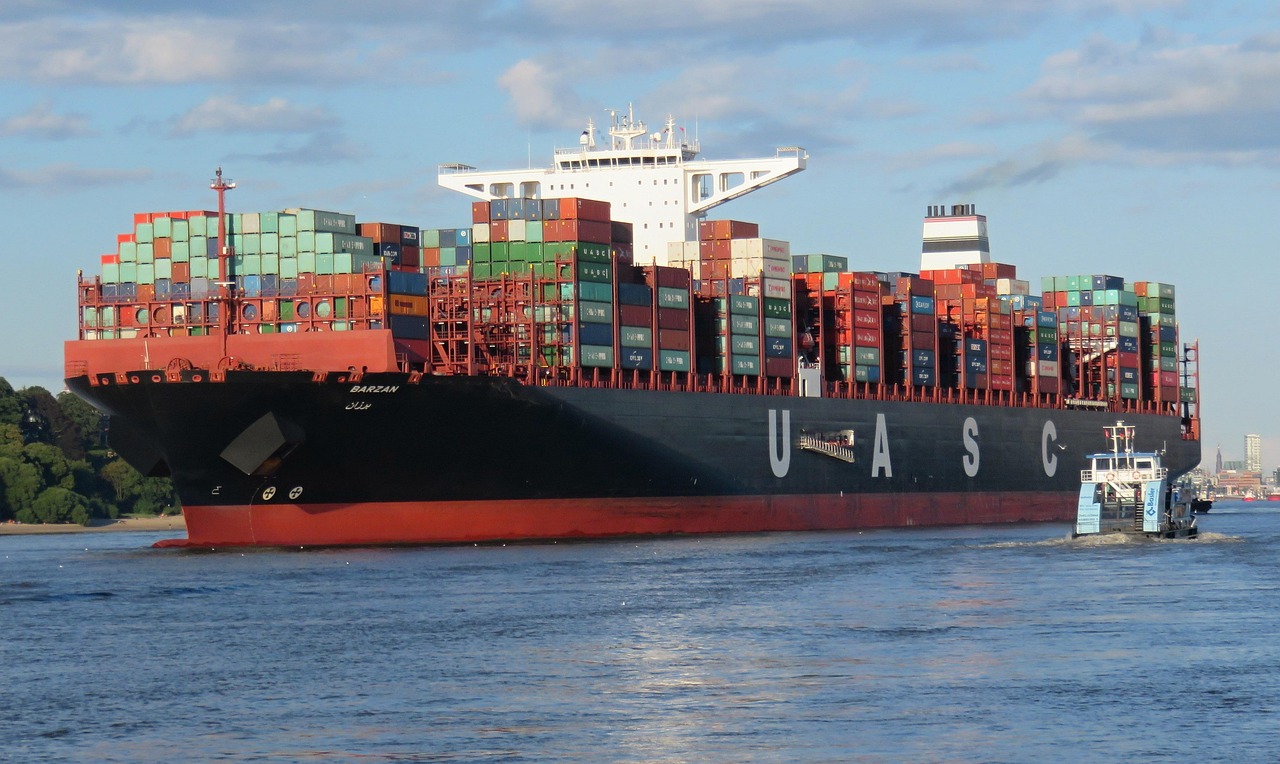
This article reviews public trade and customs signals from organizations such as the WTO, UN Trade and Development, the World Customs Organization, the International Chamber of Commerce, the OECD, CBP and the European Commission. It is intended for readers following customs and compliance developments, not as jurisdiction-specific legal advice.
What the latest trade signals mean for compliance teams
The WTO’s 8 October 2026 Global Trade Outlook and Statistics update raised its merchandise trade volume forecast to 3.9% growth in 2026 and 4.1% in 2027. The WTO linked the stronger outlook to resilient supply chains and demand for AI-enabling goods, including semiconductors, servers and telecommunications equipment. For customs teams, these product categories can raise difficult questions around classification, export controls, licensing and origin.
UN Trade and Development reported that global trade in goods and services surpassed $35 trillion in 2025, a new all-time high. It also noted that South-South trade exceeded $6 trillion in 2024. Growth is therefore not limited to developed-market routes. More counterparties, production sites and shipping lanes can support sales, but they also increase the chance of inconsistent documentation, incomplete supplier records and mismatched product data.
The same pressure is visible in small parcels. European Commission materials on e-commerce imports reported 4.6 billion low-value consignments entering the EU market in 2024, around 12 million parcels per day. The Commission later described 5.9 billion low-value items entering the EU in 2025 and introduced major customs reform measures in 2026, including a temporary €3 customs duty on certain low-value distance-sale imports from 1 July 2026. The issue is wider than Europe: customs authorities are adapting rules built for containerized trade to parcel-scale, platform-driven flows.
The customs fields that decide whether trade data is reliable
Many customs problems start before filing. A shipment may be physically ready, while the data behind it is still not complete enough for entry, audit or post-clearance review. For global imports and exports, five data fields need particular attention.
HS classification
HS classification affects duty rates, trade remedy exposure, licensing requirements, admissibility rules and statistical reporting. The World Customs Organization has confirmed that the HS 2028 edition will enter into force on 1 January 2028, with 299 sets of amendments arising from the seventh HS review cycle. Although 2028 may seem distant, companies with large item masters need lead time to identify affected SKUs, update enterprise systems and train staff.
Country of origin
Origin is not simply the country from which goods were shipped. It may depend on where substantial transformation occurred, whether a preferential trade agreement applies, and whether special measures affect a country, region, producer or material input. A supplier’s origin statement should be checked against bills of materials, manufacturing locations and the applicable rules of origin. When origin data is copied from one shipment to the next without review, duty exposure and penalty risk can build quietly.
Customs value
Customs value often starts with the transaction value, but adjustments may be required for assists, royalties, license fees, commissions, packing, freight or insurance, depending on the jurisdiction and terms of sale. The price shown on a commercial invoice is not automatically the final customs value. Transfer pricing adjustments, related-party sales and post-entry rebates should be mapped against customs valuation rules before an audit begins.
Incoterms and responsibility
The International Chamber of Commerce’s Incoterms 2020 rules remain an important reference for allocating delivery, cost and risk between buyer and seller. They also include clearer security-related obligations and export or import clearance responsibilities. However, Incoterms do not replace customs law. A contract may say that one party bears a cost, while the importer of record remains responsible for the accuracy of the customs declaration in the importing country.
Records and audit trail
Customs data must be retained in a form that can be produced when authorities request it. In the United States, CBP guidance and 19 CFR Part 163 generally require many import entry records to be kept for five years from the date of entry, subject to exceptions. Other jurisdictions have their own retention periods and formats. The operational requirement is similar everywhere: if the classification rationale, origin certificate, purchase order, invoice and freight documents cannot be connected, the compliance file is incomplete.
A 2026 snapshot of trade and customs signals
| Signal | Public source and date | Compliance implication |
|---|---|---|
| World merchandise trade volume forecast at 3.9% growth in 2026 and 4.1% in 2027 | WTO Global Trade Outlook and Statistics update, 8 October 2026 | Higher trade volumes can increase pressure on customs teams, especially where product data is not standardized. |
| Global trade in goods and services surpassed $35 trillion in 2025 | UN Trade and Development, Key statistics and trends in international trade 2025 | Large trade values make small error rates financially significant across duty, tax and reporting obligations. |
| HS 2028 will enter into force on 1 January 2028 | World Customs Organization HS 2028 materials | Companies should plan HS code mapping, system updates and training before the transition date. |
| EU low-value import volumes reached billions of parcels per year | European Commission e-commerce and customs reform materials, 2025-2026 | Parcel trade requires scalable controls for product description, value, origin and seller data. |
| Trade facilitation work continues across 163 economies | OECD Trade Facilitation Indicators 2025 | Digital border processes can reduce friction, but they also expose weak or inconsistent data faster. |
How importers and exporters can build a practical control workflow
A sound compliance workflow does not have to slow every shipment. It should define which data points are controlled centrally, which can be handled by trained local teams, and which require escalation. The following sequence is a practical starting point for companies involved in global imports and exports.
- Create a product master that customs teams trust. Each item should have an approved HS code, product description, material composition, intended use, country-of-origin logic and any licensing flags. Do not rely only on supplier descriptions, especially for technical goods, textiles, chemicals, electronics and dual-use items.
- Separate commercial data from customs conclusions. Sales teams may use short product names, while customs filings require precise descriptions. Prices also need review: commercial pricing, accounting value and customs value may not always be the same.
- Document the classification rationale. A code without supporting reasoning is difficult to defend. Keep notes on why the selected heading applies, which alternatives were considered, and whether rulings, explanatory notes or technical documents were reviewed.
- Check origin before claiming preferences. Preferential duty claims should be supported by supplier declarations, bills of materials, production records and rule-of-origin analysis. A purchase from a country does not automatically create origin in that country.
- Align Incoterms with invoices and filings. If the purchase order says FCA but the invoice says DDP, customs brokers and finance teams may treat freight, insurance and duty differently. Such inconsistencies can create valuation errors and disputes over responsibility.
- Use exception reporting. Flag shipments involving new suppliers, new countries, high duty rates, missing certificates, manual value overrides, unusual discounts or changed HS codes. These are the shipments most likely to need review before filing.
- Retain evidence in one searchable file. Customs audits often become difficult because documents are scattered across email, enterprise systems, broker portals and shared drives. A complete file should connect the commercial invoice, packing list, transport document, purchase order, payment record, classification support and origin evidence.
Common mistakes in global import and export compliance
The first common mistake is treating customs brokerage as outsourcing of legal responsibility. Brokers are essential operational partners, but importers and exporters still need to provide accurate information. A broker cannot reliably classify a product from a vague description such as “parts,” “samples” or “accessories.” See also: Freight and Logistics.
The second mistake is using the same HS code globally without checking national tariff schedules. The HS is harmonized at the international six-digit level, but national schedules often add further digits and legal requirements. A code that works in one market may not be complete in another.
The third mistake is focusing on import duty while overlooking export controls. Some goods may require export licenses because of their technical characteristics, destination, end user or end use. This is especially relevant for advanced electronics, telecommunications equipment, aerospace items, chemicals and software-enabled products.
The fourth mistake is allowing e-commerce listings to become customs descriptions. Online marketplace titles are written for buyers, not customs authorities. They may omit material content, technical specifications, brand ownership, safety certifications or kit components. High-volume parcel programs need data standards before listings go live.
The fifth mistake is failing to refresh legacy data. Product master records created years ago may contain obsolete tariff codes, old supplier locations, outdated Incoterms or duty assumptions from expired trade programs. The coming HS 2028 transition is a useful reminder that customs data has a lifecycle and should be reviewed periodically.
What to watch next
Three developments deserve attention through 2027 and into 2028. First, AI-related goods are becoming more important in merchandise trade, which may increase scrutiny of classification, strategic controls and supply chain origin. Second, customs authorities are investing in digital filing, data hubs and risk analytics, so errors that were once hidden in paper processes may be easier to identify. Third, HS 2028 implementation will require national tariff updates, system changes and trader education before 1 January 2028.
Businesses should not wait for a border problem to review their data. Customs requirements need to be built into product launch, sourcing, contracting and finance processes. As global imports and exports continue to grow, compliance readiness is becoming both a regulatory obligation and a commercial capability.
Frequently asked questions
What is the biggest customs risk in global imports and exports?
The biggest recurring risk is inaccurate or unsupported data. HS codes, origin claims, customs values and product descriptions must be backed by evidence. When the data is weak, duty errors, shipment delays and audit exposure become more likely.
Do Incoterms decide who is legally responsible for customs declarations?
Incoterms allocate delivery, cost and risk responsibilities between buyer and seller, but they do not override customs law. The importer of record, exporter of record or declarant may still have legal obligations under the rules of the relevant jurisdiction.
Why does HS 2028 matter before 2028?
HS 2028 matters now because companies need time to map product codes, update systems, brief suppliers and train teams. Waiting until the effective date can lead to rushed classifications and inconsistent filings.
How should companies manage low-value parcel compliance?
They should standardize product descriptions, values, origin data and seller information before shipment. Parcel volume can be too high for manual review, so exception rules and reliable product data are essential.
Is a customs compliance program only necessary for large companies?
No. Smaller traders may face the same customs requirements as large companies, but with fewer internal resources. A focused program covering classification, origin, valuation, records and broker instructions can reduce risk without becoming overly complex.